



When Your Heater Goes Silent (or Screams for Help) in Joshua Tree
When heating not working in joshua tree ca becomes your reality on a cold desert night, you need answers fast. Whether your system has gone silent, is making unsettling noises, or simply won’t produce warm air, this guide walks you through troubleshooting steps and the warning signs that mean it’s time to call for backup.
Quick Troubleshooting Checklist:
- Check your thermostat – Verify it’s set to “Heat,” at least 3 degrees above room temperature, and has fresh batteries
- Inspect your air filter – Replace if dirty or clogged (common in dusty desert conditions)
- Verify power supply – Check circuit breakers and ensure the furnace power switch is “On”
- Look for blocked vents – Make sure supply and return vents aren’t obstructed
- Check pilot light – For gas furnaces, ensure the pilot light is lit
- Listen for unusual sounds – Banging, screeching, or clicking can indicate specific problems
- Smell for gas – If you detect a rotten egg odor, evacuate immediately and call the gas company
If you’re dealing with a complete heating failure, learn more about common furnace problems and solutions. If these steps don’t work, it’s time to schedule a professional repair.
Joshua Tree’s unique desert climate—with its dust, extreme temperature swings, and long periods of heater inactivity—creates specific challenges for heating systems. The good news is that most heating issues follow predictable patterns, and many can be resolved with simple troubleshooting. The key is knowing what’s a quick fix versus what requires professional attention, and never compromising on safety.
Decoding Your Heater’s Distress Signals
Your heating system should operate quietly. When it starts making strange noises, it’s a warning sign that something is wrong. Catching these issues early can prevent a complete breakdown when you need heat the most.
Each noise tells a different story about what’s happening inside your system. Whether you’re dealing with heating not working in joshua tree ca or just strange sounds, understanding them helps you decide if it’s a quick fix or a professional repair. Let’s decode the most common distress signals. For a comprehensive look at warning signs, check out our guide on signs that your furnace is failing.
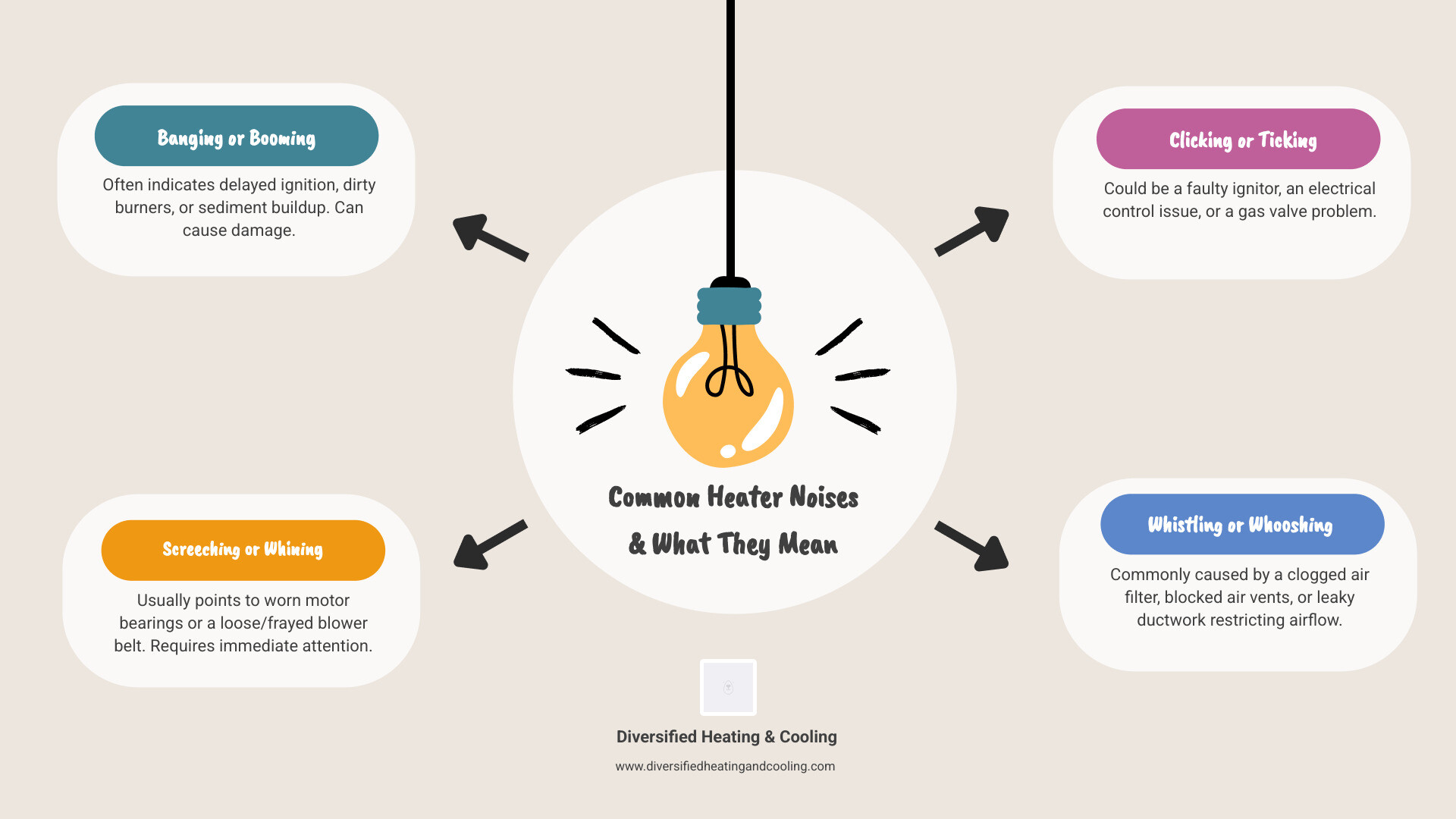
Banging and Booming Noises
A sudden “BOOM!” when your furnace starts is startling but usually not an explosion. This noise typically points to delayed ignition, where gas builds up in the combustion chamber before lighting. This is often caused by dirty burners or sediment buildup in the heat exchanger, a common issue due to Joshua Tree’s hard water.
While not an immediate emergency, these bangs stress your system and can cause damage if ignored. Think of it like repeatedly slamming a door; eventually, something will break.
High-Pitched Screeching or Whining
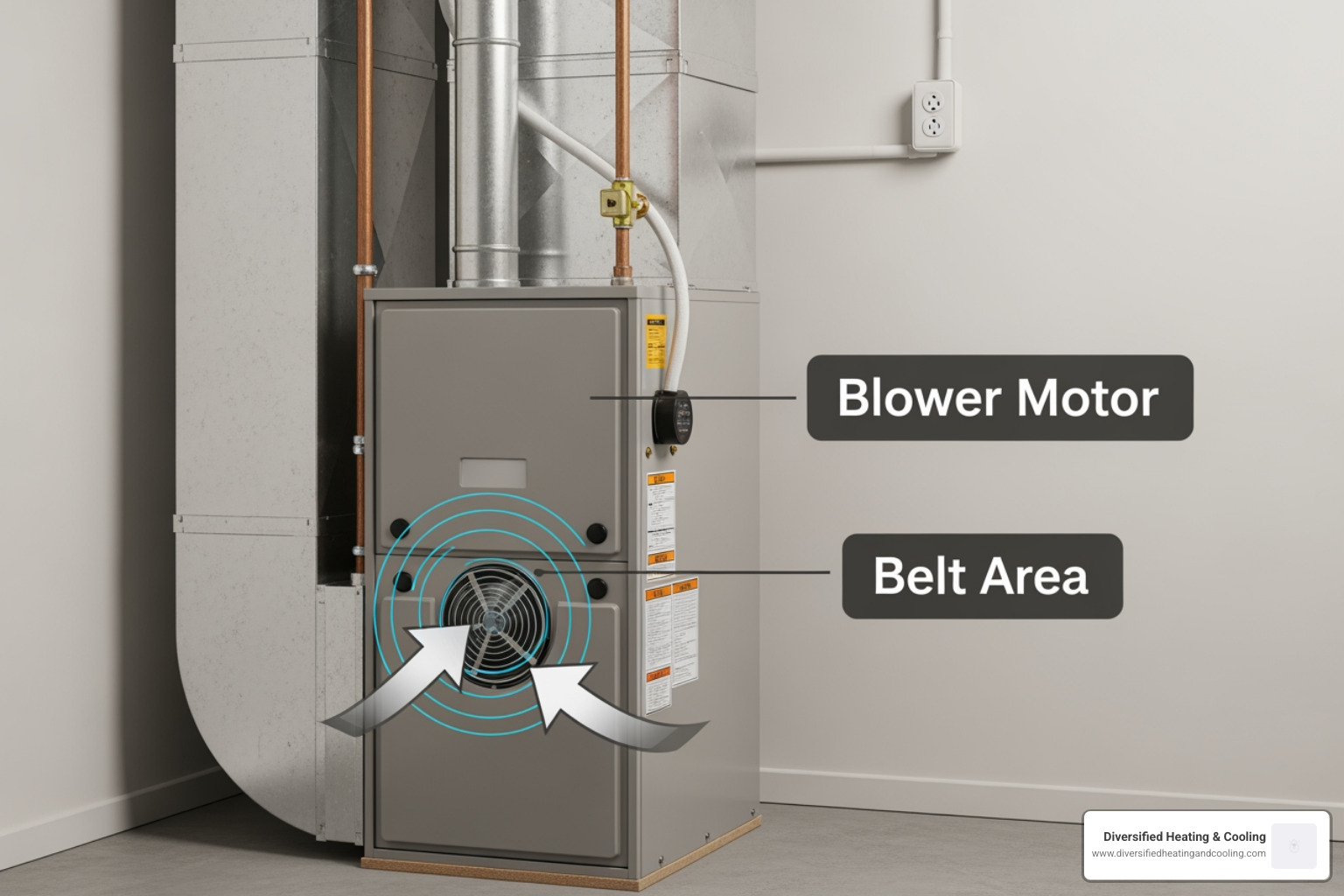
A high-pitched screech suggests mechanical wear, usually from the blower motor area where something is rubbing or spinning incorrectly. Common causes include worn motor bearings or a loose or frayed blower belt. Desert dust accelerates this wear, making it a frequent issue in our area.
This noise needs immediate attention. Turn off your system to prevent further damage and a complete system failure on the coldest night of the year.
Persistent Clicking
A few clicks at startup are normal, but constant, rapid clicking indicates your system is struggling to start. This usually points to a faulty ignitor, an electrical control issue, or a gas valve problem preventing the ignition sequence from completing.
It means your heater is trying to work but failing. While our guide on 7 basic tips for fixing your heater like a pro might help with some issues, persistent clicking often requires a professional.
Whistling or Whooshing Sounds
Whistling or whooshing sounds indicate airflow issues, meaning air is being forced through small spaces or is escaping. The most common cause is a clogged air filter, a frequent problem in Joshua Tree’s dusty environment. A clogged filter forces your system to work harder, creating a whistling sound.
Blocked air vents from furniture or rugs can create similar sounds. Also, check for leaky ductwork, where small gaps let heated air escape. The good news is these are often easy and inexpensive problems to fix, and doing so can improve efficiency and restore quiet operation.
First-Response Checklist When Your Heating is Not Working in Joshua Tree, CA
When your heater fails on a chilly Joshua Tree evening, a quick response can often save the day. Before calling for service, take these safe, immediate steps. These DIY checks can identify and sometimes resolve common issues when your heating not working in joshua tree ca becomes a problem.
Check the Thermostat
The thermostat is the brain of your heating system and often the culprit. First, ensure it’s set to “Heat” mode with the temperature set at least three degrees above the current room temperature. Also, check that the fan is on “Auto,” not “On,” to avoid blowing unheated air.
A blank screen on a battery-operated thermostat means it needs new batteries. Dust can also affect its function, so a gentle cleaning may help. These simple checks can often restore your heat. For more details, see our guide on what to check first if your heater isn’t working.
Inspect the Air Filter and Vents
In Joshua Tree’s dusty environment, a clogged air filter is a top reason for heating problems. A dirty filter restricts airflow, forcing your furnace to work harder, which can lead to overheating and shutdown. Check your filter monthly and replace it every 1 to 3 months—more often if you have pets or allergies.
Similarly, blocked return or supply vents restrict airflow. Make sure furniture, rugs, or other items are not covering your vents. Clear pathways ensure proper air circulation and prevent your system from overworking.
Verify Power and Fuel
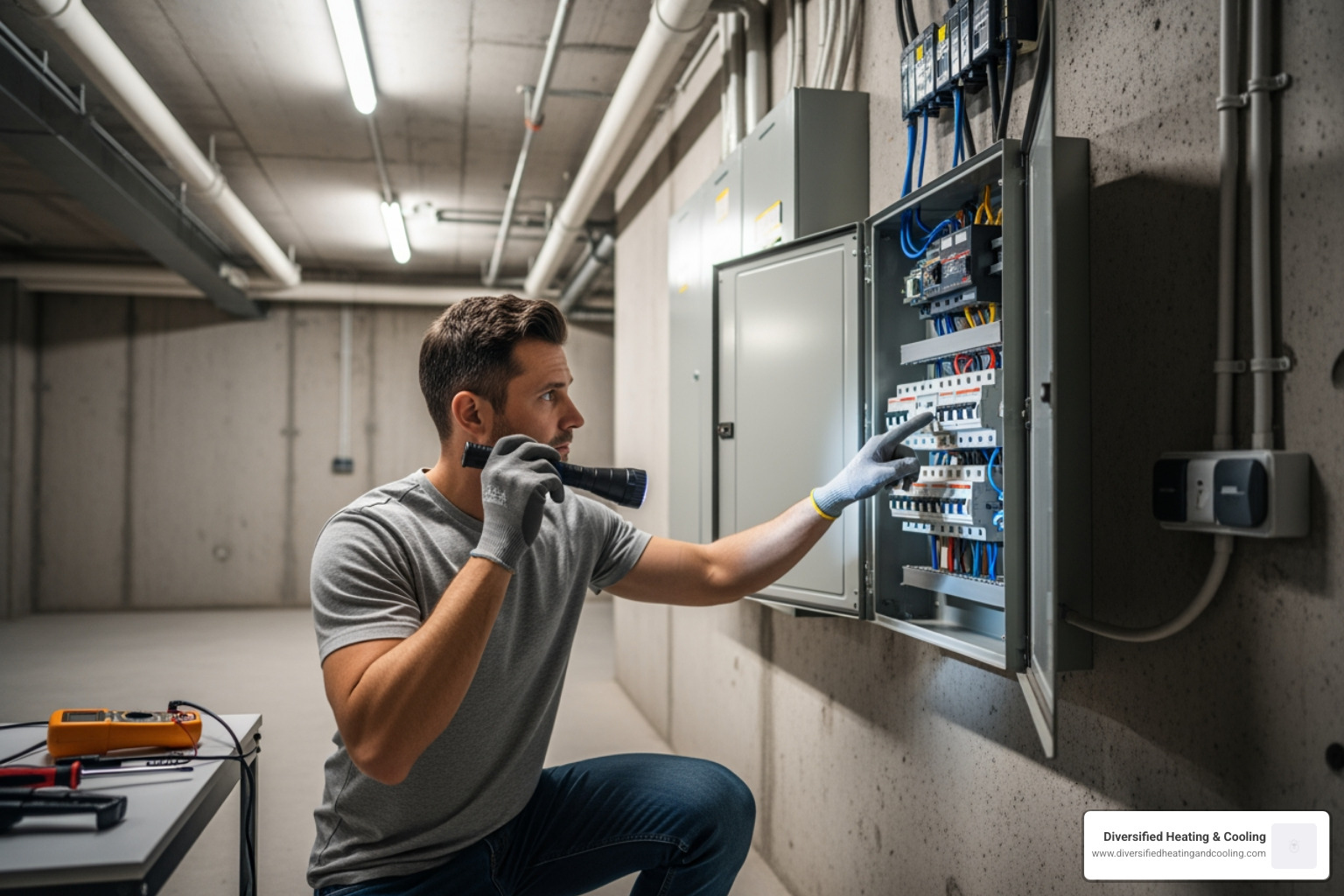
Your furnace needs power and fuel to work. Check your electrical panel for a tripped circuit breaker labeled for your furnace. If it’s tripped, flip it completely off, then back on to reset it.
Also, ensure the furnace’s dedicated power switch, usually located on or near the unit, is in the “On” position. For gas furnaces, check that the gas valve is open (parallel to the pipe). If you have a pilot light, make sure it’s lit and follow the manufacturer’s instructions to relight it if necessary. A pilot light that repeatedly goes out may indicate a faulty thermocouple and requires a professional.
Desert-Specific Challenges for Joshua Tree Heaters
Living in Joshua Tree is beautiful, but the desert climate is tough on heating systems. The dust, extreme temperatures, and long periods of disuse can cause problems. When your heating not working in joshua tree ca, the answer often lies in these unique local challenges.
The Impact of Dust and Sand
Fine desert dust is more than an annoyance; it constantly infiltrates your HVAC system. This causes accelerated filter clogging—a filter that lasts three months elsewhere might clog in weeks here. A clogged filter makes your blower motor strain, leading to premature wear.
Dust also settles on internal components like the heat exchanger and blower wheel. This grime acts as an insulator, reducing efficiency and causing friction. It’s a primary reason why a furnace breaks down in our area.
Extreme Temperature Swings
Joshua Tree’s dramatic day-to-night temperature swings are tough on heating systems. This constant expansion and contraction of metal components stresses joints and connections. Over time, this can cause cracks in the heat exchanger, loose electrical connections, and increased wear on parts.
Your ductwork also expands and contracts, which can create gaps and air leaks, wasting energy. The banging sound you hear at startup is often the ductwork adjusting to these temperature changes.
Why is my heating not working in Joshua Tree, CA? Common Culprits
How we use our heaters in the desert also causes issues. Joshua Tree residents use their heaters less frequently than those in colder climates, and this infrequent use creates its own problems. When a system sits dormant for months, lubricants can dry out, seals can become brittle, and minor issues go unnoticed until you need heat on the first cold night.
During the off-season, dust continues to accumulate inside the system, settling on the heat exchanger and burners. This causes the common burning smell on first use. A slight burning odor is normal and should fade within an hour. However, a persistent smell, or one like burning plastic, indicates a serious problem needing immediate attention. Learn more about why there is a burning smell when you turn on the heat.
Safety First: Recognizing Critical Heating System Dangers
Some heating problems are more than inconvenient; they pose serious safety risks. When your heating not working in joshua tree ca involves potential gas or carbon monoxide leaks, immediate action is crucial. Knowing the warning signs can protect your family. This section covers critical safety warnings and the steps to take.

Identifying a Potential Gas Leak
Natural gas is odorless, so a chemical is added to give it a distinct “rotten egg” smell. This odor is a strong indicator of a gas leak. Other signs include a hissing sound near gas lines. If you suspect a gas leak, evacuate immediately. Do not use any electronics, light switches, or phones. Do not try to find or fix the leak. Once safely away from the building, call your gas company’s emergency line and then 911.
Understanding Carbon Monoxide (CO) Risks
Carbon monoxide (CO) is an invisible, odorless gas produced by incomplete fuel combustion. Symptoms of CO poisoning mimic the flu: headaches, dizziness, nausea, and confusion. To stay safe, install and regularly test carbon monoxide detectors on every level of your home, especially near bedrooms. A healthy furnace flame is steady and blue; a yellow or flickering flame indicates a problem and potential CO production. Regular professional maintenance is key to preventing CO issues.
When to Call a Pro for Heating Not Working in Joshua Tree, CA
While DIY checks can solve minor issues, some problems require a professional HVAC technician. Call us if you encounter any of the following:
- Electrical issues: Persistent problems beyond a tripped breaker, like flickering lights or a burning smell, require an expert.
- Gas or fuel supply problems: A suspected gas leak or a pilot light that won’t stay lit needs a professional.
- Internal component failure: Persistent noises (screeching, grinding) or a system that won’t produce heat after troubleshooting points to an internal problem.
- Any safety concern: If you’re ever unsure or uncomfortable, err on the side of caution and call a professional.
Hiring a professional offers peace of mind. Our technicians have the training, experience, and tools to diagnose and safely repair complex issues. Learn more about why you should trust professionals with heating repair.
Frequently Asked Questions About Heating Problems in Joshua Tree
When you’re dealing with heating not working in joshua tree ca, you need quick answers. As a long-time high desert HVAC provider, we’ve compiled the questions we hear most often when a heater fails.
How often should I change my furnace filter in a desert climate?
In Joshua Tree’s dusty environment, your furnace filter works overtime. We recommend checking it monthly, as a filter that lasts three months elsewhere might clog in just a few weeks here. Most homes need a new filter every one to three months, or even monthly if you have pets or allergies. A dirty filter makes your system work harder and can cause it to overheat and shut down. Regular filter changes are a key part of any HVAC maintenance plan and an easy way to prevent major problems.
Why does my heater smell like it’s burning when I first turn it on?
A burning smell when you first turn on your heater for the season is common and usually not a cause for alarm. During its idle months, dust settles on internal components. When you first turn the heater on, this dust burns off, creating a temporary odor that should fade within an hour or two. However, if the smell is strong, persists, or you see smoke, turn off your system and call a professional. This could signal a serious issue. You can find more details on why there is a burning smell when you turn on the heat.
When should I repair versus replace my heating system?
Deciding whether to repair or replace your heating system is a major concern for homeowners. Here are the key factors to consider.
- System age: Most furnaces last 15-30 years, while heat pumps last 15-20 years. If your system is near or past its expected lifespan and having issues, replacement is often the more sensible financial choice.
- Frequency of repairs: If you need frequent repairs, the costs can add up quickly. It may be more cost-effective to invest in a new system rather than continuing to fix an old one.
- Rising energy bills: An aging system loses efficiency, leading to higher bills. A new, energy-efficient model can significantly lower your monthly costs.
- Safety concerns: If your old system has recurring safety issues like CO leaks or electrical problems, replacement is the safest option. Your family’s safety is the top priority.
We provide honest advice to help you decide between repair and a new heating installation. We’ll help you choose the best option for your home and budget.
Conclusion
When your heating not working in joshua tree ca turns a peaceful desert evening into a cold, uncomfortable night, remember you’re not alone. This guide has covered heater distress sounds, troubleshooting steps, and the unique challenges of our desert climate. Living in Joshua Tree is tough on heating systems, but with the right knowledge, you can catch issues early, perform simple fixes, and know when to call a professional.
Safety always comes first. If you smell gas, suspect carbon monoxide, or feel uncertain about your system, contact a professional immediately. Your family’s safety is not worth the risk.
At Diversified Heating & Cooling, we’re your high desert neighbors. As a family-oriented business, we bring honesty and reliability to every service call, treating your home as our own. We understand the importance of a warm home when desert temperatures drop.
If troubleshooting hasn’t worked or you’re concerned by any warning signs, we’re ready to help. Our experienced team can handle everything from minor repairs to complete system replacements.
Don’t spend another cold night wondering what’s wrong. Contact us today to schedule your heating service, and let our team at Diversified Heating & Cooling restore warmth and comfort to your home. We’re here when you need us.