



Cut Your Utility Bills: A Practical HVAC Guide for Farmington Hills, MI
Saving energy with your HVAC system starts with the right equipment, smart controls, and routine care. This guide walks Farmington Hills homeowners and property managers through practical steps to lower heating and cooling costs without sacrificing comfort or indoor air quality. You’ll learn how to read SEER2, AFUE, and HSPF ratings, which systems (high-efficiency AC, furnaces, heat pumps, geothermal) suit local homes, and which maintenance tasks give the best, measurable savings. We also cover smart thermostat benefits, Michigan rebates and financing, plus a clear maintenance checklist to help your system last longer and run better. Expect plain definitions, short comparison tables, checklists, and next steps you can act on for Farmington Hills conditions.
Why choose energy-efficient HVAC for Farmington Hills homes and businesses?
Energy-efficient HVAC uses better components and smarter controls to match output to demand, cutting wasted run time and lowering fuel or electric use. In Farmington Hills — with humid summers and cold winters — that means steadier indoor temperatures, improved humidity control, and fewer surprises when the seasons change. Higher-efficiency equipment also tends to put less wear on components, reducing maintenance needs and the chance of costly mid-season breakdowns. Below we outline direct bill savings, comfort and air-quality gains, and operational and environmental benefits so you can prioritize upgrades that give the best return.
Upgrades save money by reducing total run time, lowering peak demand, and cutting fuel use. Actual savings depend on your starting system and habits, but many homeowners see double-digit reductions in annual energy costs after replacing old, oversized, or inefficient equipment with modern variable-speed systems. Pairing equipment upgrades with duct sealing, improved insulation, and smart controls multiplies savings. Knowing how these pieces interact helps you decide whether to replace a condenser, install a high-AFUE furnace, or fix duct losses first.
More efficient systems also improve indoor air quality and comfort. Variable-speed compressors and multi-stage furnaces run longer at lower output, which stabilizes temperature, controls humidity, and reduces on/off cycling that creates swings. Upgrades usually allow for higher-efficiency filters and better-balanced ventilation, reducing dust and allergens. Those comfort and health benefits often matter as much as dollar savings when choosing equipment and maintenance priorities.
How does energy-efficient HVAC cut your utility bills?

Efficient HVAC lowers bills by improving how equipment converts energy, reducing idle and cycling losses, and giving you better control over run time and setpoints. Variable-speed compressors and modulating burners match output to the home’s needs, which cuts total kilowatt-hours and therms over a season. Many homeowners see savings from fewer run hours, lower peak demand (where applicable), and reduced backup heating when a properly sized heat pump is used. These gains are biggest when equipment is sized correctly, ducts are sealed, and thermostats are set up to avoid wasted capacity.
How does efficiency affect indoor air quality and comfort?
Efficiency upgrades often bring better humidity control and filtration. Systems that run longer at low speed dehumidify without overcooling, and properly sized equipment reduces temperature layering and damp areas that can lead to mold. Upgrading typically allows for higher-MERV filters and balanced ventilation strategies that refresh indoor air with minimal energy penalty. Those health and comfort improvements make efficiency a combined smart-financial and quality-of-life investment.
Understanding key HVAC efficiency metrics: SEER2, AFUE, and HSPF
SEER2, AFUE, and HSPF are the main numbers you’ll see when comparing cooling and heating equipment. Each one reflects seasonal performance under standard tests so you can estimate likely energy use. SEER2 measures seasonal cooling efficiency for ACs and heat-pump cooling (using updated testing protocols). AFUE shows what percentage of fuel a furnace turns into useful heat. HSPF measures a heat pump’s seasonal heating efficiency. Together with local weather and your usage patterns, these ratings help translate spec-sheet numbers into real savings for Farmington Hills homes. The table below summarizes what each metric means and how to use it when choosing equipment.
The table below explains each metric, what it measures, and the practical takeaway for homeowners.
| Metric | What it measures | How to use it when choosing equipment |
|---|---|---|
| SEER2 | Seasonal cooling efficiency for air conditioners and heat pumps (newer 2023 test standard) | Pick a higher SEER2 if you want lower summer electric costs and better dehumidification; balance the higher upfront cost against expected savings. |
| AFUE | Annual fuel utilization efficiency for furnaces (percent of fuel turned into heat) | Choose a higher AFUE if your home heats with gas or oil — it lowers fuel use and winter bills. |
| HSPF | Heating Seasonal Performance Factor for heat pumps (seasonal heat out per electricity in) | Use HSPF to compare heat-pump heating performance; higher numbers mean better electric heating efficiency. |
Focusing on the metrics that matter for your dominant seasonal load helps you compare equipment fairly and estimate likely energy savings.
If cooling is your biggest cost, SEER2 and HSPF matter most. If a fossil-fuel furnace does most of your heating, AFUE is the key number. Remember that even top-rated equipment performs best with proper installation, tight ducts, and compatible controls — so include whole-home measures when evaluating options.
What is SEER2 and why it matters for AC systems
SEER2 is the updated seasonal cooling-efficiency rating that reflects more realistic test conditions and replaces older SEER specifications. It accounts for seasonal load changes and penalizes poor off-cycle performance, so a higher SEER2 generally means lower electricity use across the cooling season. For Michigan homes with warm, humid summers, a higher-SEER2 AC or heat pump can cut summer electricity use and improve humidity control when paired with variable-speed technology. When choosing, aim for the highest SEER2 that meets your budget and payback goals — and make sure sizing and ductwork are done correctly.
How AFUE and HSPF affect furnace and heat pump performance
AFUE tells you how much fuel a furnace converts into usable heat — a 95% AFUE furnace turns most fuel into warmth with minimal exhaust loss. HSPF measures a heat pump’s seasonal heating efficiency and is key when comparing electric heat-pump performance in winter. Modern cold-climate heat pumps with higher HSPF values deliver much better winter efficiency than older models. In Michigan, weighing AFUE versus HSPF helps you decide whether to stick with a furnace, move toward electrification with a heat pump, or pick a hybrid approach. Installation quality will ultimately determine real-world winter costs.
Top energy-efficient HVAC systems for Farmington Hills
Good options for local homes include high-efficiency air conditioners, high-AFUE furnaces, modern air-source and cold-climate heat pumps, ductless mini-splits, and geothermal systems where feasible. Each saves energy differently — better compressors, cleaner combustion, or using ground temperatures for heat exchange. The best choice depends on home size, ductwork condition, fuel type and budget. The table below compares typical efficiency traits and likely energy outcomes for Michigan homes to help you prioritize.
The table below compares common system types, their efficiency traits, and expected energy-saving outcomes in Michigan homes.
| System Type | Typical Efficiency Attributes | Typical Energy-Saving Outcome for Michigan Homes |
|---|---|---|
| High-efficiency AC | High SEER2, variable-speed compressors | Lower summer electricity use and better humidity control; often 10–25% cooling savings versus older units |
| High-efficiency furnace | High AFUE, modulating gas valves | Less winter fuel use; noticeable therm savings for gas-heated homes |
| Air-source heat pump (cold-climate) | High HSPF, inverter-driven compressors | Combined heating and cooling savings; can cut heating costs compared with electric resistance or aging furnaces |
| Ductless mini-split | Zoned, variable-speed units | Room-by-room comfort with minimal duct losses — great for additions or homes with poor ductwork |
| Geothermal (ground-source) | Very high COP (coefficient of performance) | Top long-term savings but higher upfront cost; strong life-cycle value where feasible |
This comparison shows trade-offs between upfront cost and seasonal savings and helps align system choice with home conditions and goals.
Which system fits your home depends on current conditions: leaky ducts often make ductless solutions or duct sealing plus a high-efficiency central system the best move, while homes with good ducts do well with a high-SEER2 condenser and a higher-AFUE furnace or hybrid system. Rebates and financing often improve payback; many homeowners lower upfront cost with utility incentives or financing and by pairing upgrades with air sealing and insulation. Diversified Heating & Cooling, Inc. works with local homeowners on system selection, AC replacement and financing, giving recommendations based on diagnostics and maintenance plans so you don’t overspend for marginal gain.
Rebates and financing can make efficiency upgrades more affordable. In Michigan, utilities and government programs frequently offer incentives for high-efficiency heat pumps and air-source equipment. Diversified Heating & Cooling, Inc. can help you find eligible rebates and financing for AC replacement so you can choose higher-efficiency equipment with manageable payments. Considering incentives alongside system choice helps you realize net savings sooner.
How high-efficiency air conditioners save energy
High-efficiency ACs save energy with variable-speed compressors, improved coil designs, and smarter fan controls that match output to the load. Variable-speed compressors reduce short cycling and let the system run longer at low speed, which is far more efficient than repeated full-capacity starts and also improves dehumidification. Better coil and airflow design boost heat transfer so the compressor works less per ton of cooling. Proper installation, correct sizing, and good duct condition are required to capture these savings in real use.
Advantages of installing a high-efficiency furnace in Farmington Hills
High-efficiency furnaces offer higher AFUE ratings, turning more fuel into usable heat and lowering winter heating bills. Modern models use modulating gas valves and variable-speed blowers for even heat distribution and fewer cycles, which improves comfort and efficiency. Replacing an old, inefficient unit often produces immediate fuel savings and reduces the risk of mid-winter failures. When paired with correct combustion tuning and venting, high-efficiency furnaces can also reduce indoor combustion byproducts and improve safety. Knowing replacement timing and expected payback helps you choose between repair and upgrade.
How heat pumps deliver energy savings in Michigan
Heat pumps move heat instead of creating it, using electricity to transfer thermal energy between indoors and outdoors. That makes them more efficient than resistive electric heat and, depending on fuel prices and model performance, competitive with combustion heating. Cold-climate heat pumps keep capacity at lower outdoor temperatures, making them viable through many Michigan winters while providing efficient cooling in summer. Key benefits include combined heating and cooling, simpler fuel handling, and lower emissions potential when paired with cleaner electricity. The bullets below summarize direct benefits and help you decide if a heat pump installation suits your home.
Modern heat pumps offer several practical benefits for Michigan homeowners:
- Year-round efficiency: One system provides heating and cooling with lower seasonal energy use than resistive electric heat.
- Cold-climate models: Advanced units keep working at lower temperatures, reducing or eliminating the need for backup heat in many homes.
- Incentives and lower emissions: Heat pumps reduce fossil fuel use and may qualify for utility or state rebates that improve payback.
With current technology, heat pumps are a strong option for many Michigan homes — especially where ducts are in good shape or when electrification is a priority. Homes with very poor insulation or old distribution systems sometimes do best with a hybrid approach that pairs a heat pump with a high-AFUE furnace for backup and peak cold performance.
Benefits of heat pump installation in Michigan's climate
Heat pumps cut reliance on combustion fuels by offering efficient electric heating and cooling in one package, which can lower costs and emissions when electricity prices and incentives are favorable. Cold-climate models hold heating capacity at lower outdoor temps, making them practical through most Michigan winters while still providing superior summer cooling. Heat pump installs also often qualify for rebates or financing programs, which makes them an increasingly attractive local choice.
How heat pumps compare to traditional heating systems
Compared with high-AFUE furnaces, heat pumps usually deliver more heat per unit of energy because they transfer heat rather than burn fuel, which can mean lower running costs when electricity rates and system performance are favorable. Furnaces can sometimes be cheaper to install and provide strong capacity at extreme cold, so hybrids that combine both can offer the best of both worlds. Maintenance differs — heat pumps need refrigeration-system service while furnaces need combustion checks — so the right choice depends on your home, local fuel prices, and whether you aim to electrify.
Why install a smart thermostat for energy management in Farmington Hills?
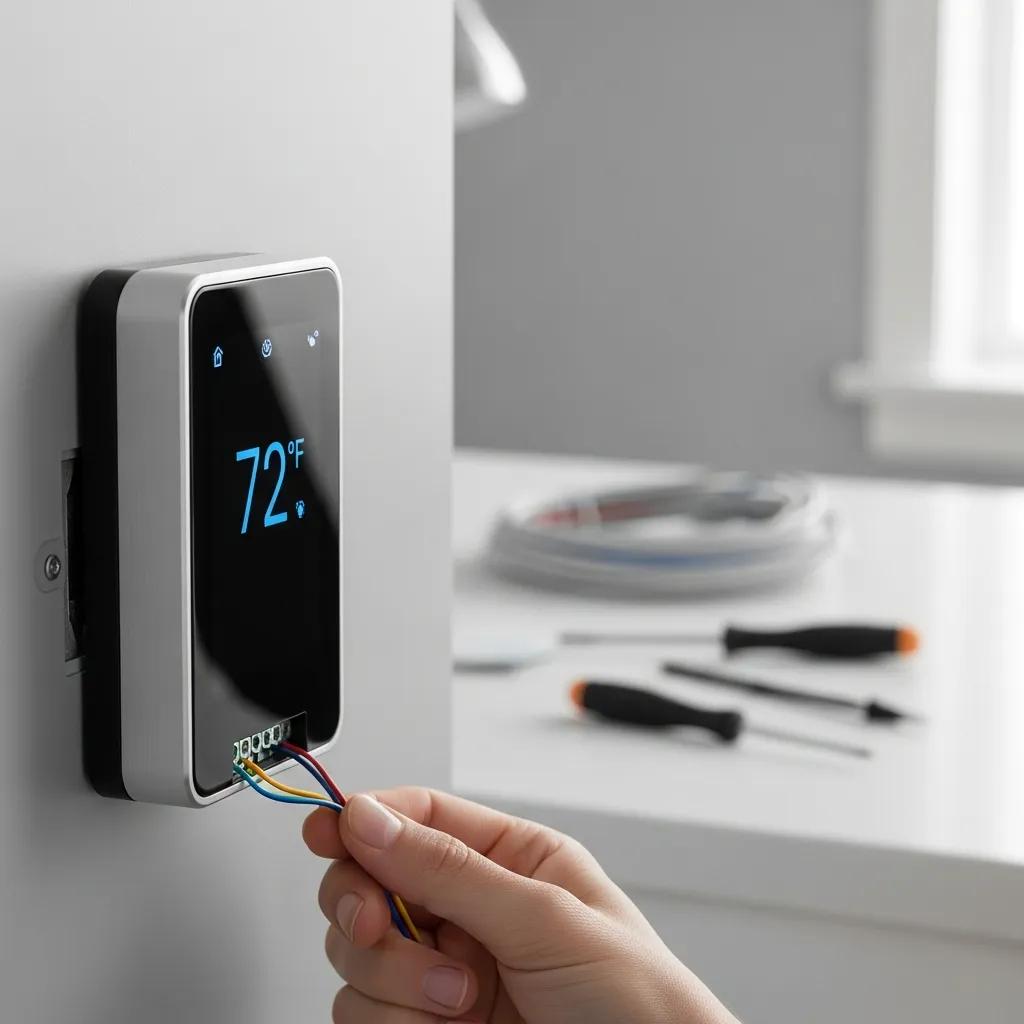
Smart thermostats reduce HVAC energy use by learning schedules, enabling remote control, and using occupancy and weather data to cut unnecessary run time while keeping comfort. They can auto-adjust setpoints, participate in demand-response programs, and produce energy reports that show saving opportunities. For Farmington Hills residents, smart thermostats shave peak loads in summer and prevent wasteful heating during empty-house periods in winter, producing measurable bill reductions. Below we explain how they save and which features matter locally.
Smart thermostats save energy through adaptive scheduling, geofencing that follows occupants’ locations, and predictive control that uses weather forecasts to precondition efficiently. They can work with multi-stage equipment and zoning to reduce short cycling and send conditioned air only where it’s needed. Remote monitoring and energy reports help you spot inefficiencies and decide if you need an upgrade or service. Knowing these mechanics points to the features to prioritize when choosing a unit.
Look for compatibility with your system (heat pump, multi-stage furnace, zoning), humidity control for Michigan summers, and dependable remote access and reporting. A thermostat that supports two-stage or variable-speed systems preserves equipment efficiency, while humidity-aware control improves comfort and avoids over-dehumidifying. Clear energy reports help you track savings and tweak behavior, making the investment pay back faster.
How smart thermostats optimize energy and cut costs
Smart thermostats bring together learning algorithms, occupancy detection, and weather-aware scheduling to cut unnecessary HVAC operation while maintaining comfort. Avoiding long run times when no one’s home and preconditioning only when needed can significantly reduce runtime versus a manual thermostat. Integration with multi-stage systems and zoning reduces short cycling and directs energy where it’s most effective. Over time, reports and adaptive control refine schedules further and can flag system faults that reduce efficiency.
What features matter when choosing a smart thermostat?
Prioritize compatibility with your system type (heat pump, two-stage furnace, variable-speed AC), solid remote control and scheduling, and humidity-aware control for Michigan’s moisture. Support for multi-zone systems or zoning dampers benefits larger or multi-level homes to avoid wasted conditioning. Energy reporting and alert features that identify inefficient operation or maintenance needs help you manage running costs and know when to call a pro.
HVAC maintenance practices that maximize energy savings in Farmington Hills
Regular maintenance keeps components running as designed and prevents energy-wasting problems like refrigerant leaks, dirty coils, and clogged filters. Key tasks include timely filter changes, coil and blower cleaning, refrigerant and charge checks, and duct inspection and sealing. Following a planned maintenance cadence reduces runtime, restores capacity, lowers electrical draw, and extends equipment life — all of which lower total ownership cost. The table and checklist below give a practical maintenance schedule and the typical performance impacts so you can prioritize the highest-value actions.
Looking ahead, machine learning and data-driven tools are beginning to shift maintenance from fixed schedules to predictive models that catch issues before they cost energy or cause a breakdown.
Predictive HVAC Maintenance: How AI Helps Cut Costs and Boost Efficiency
This research explores using machine learning for predictive HVAC maintenance — spotting issues early so systems run reliably and use less energy. By analyzing equipment signals and usage patterns, these algorithms can forecast faults, schedule service before failures occur, and help building owners reduce downtime and operating costs.
Machine learning algorithms for predictive maintenance in HVAC systems, 2023
Below is a maintenance task table listing recommended tasks, suggested frequency, and the expected impact so you can turn upkeep into measurable efficiency gains.
| Maintenance Task | Recommended Frequency | Energy / Performance Impact |
|---|---|---|
| Replace HVAC filters | Every 1–3 months (based on use) | Restores airflow, reduces fan energy, and prevents strain that raises consumption |
| Clean evaporator/condenser coils | Annually | Improves heat transfer, lowers compressor runtime and electricity use |
| Check refrigerant charge | Annually or when performance drops | Correct charge restores cooling efficiency and prevents compressor damage |
| Inspect and seal ducts | Every 2–5 years or after renovations | Reduces distribution losses, improves delivered capacity and lowers runtime |
| Tune blower and motors | Annually | Ensures proper airflow and reduces electrical draw from worn components |
Consistent maintenance keeps small problems from becoming energy-sapping failures and helps you decide when professional service or component replacement is the most cost-effective choice.
The checklist below highlights priority DIY checks and professional services that together keep systems efficient and extend equipment life.
- Monthly/quarterly: Check and replace filters as needed to maintain airflow and indoor air quality.
- Annually (professional): Schedule a tune-up for coil cleaning, refrigerant verification, combustion inspection (if applicable), and electrical safety checks.
- Every 2–5 years: Inspect and seal ducts, confirm thermostat calibration, and review sizing and zoning performance.
Keeping up with these items reduces emergency repairs and avoids inefficient operation that inflates bills. Regular inspections also let you plan upgrades on your timetable rather than react under pressure.
Diversified Heating & Cooling, Inc. offers preventative maintenance and tune-up packages tailored to Farmington Hills needs. Our programs focus on preserving fuel efficiency, preventing surprises, and maximizing furnace life — and we don’t consider the job done until you’re five‑star satisfied. Homeowners interested in maintenance plans or an energy audit can contact Diversified Heating & Cooling, Inc. to schedule inspections and tune-ups.
Which preventative maintenance tasks most improve HVAC efficiency?
The highest-impact tasks are regular filter changes, coil cleaning, refrigerant checks, blower and motor tuning, and duct inspection and sealing. Changing filters on schedule restores designed airflow so systems can run at lower fan speeds and avoid short-cycling. Clean coils improve heat transfer so compressors and burners run less for the same comfort. Fixing refrigerant imbalances and electrical faults prevents compressor strain and failures that carry large energy penalties.
How does regular maintenance extend system life and lower bills?
Routine maintenance reduces breakdown risk, keeps components running at peak efficiency, and delays premature replacement — all of which lower lifecycle costs. Well-maintained systems need fewer emergency repairs and retain rated efficiency longer, often preserving much of their original performance for extra years. Documented tune-ups also let homeowners time replacements strategically when payback on upgrades becomes favorable. For many, routine maintenance pays back through lower bills and longer equipment life.
Pairing maintenance with targeted upgrades — refrigerant fixes, duct sealing, or a smart thermostat — multiplies savings and shortens payback. Diversified Heating & Cooling, Inc. can bundle these services into tune-up programs and recommend the upgrades that deliver the best return for your house.
Frequently Asked Questions
What are the signs that my HVAC system needs maintenance?
Watch for uneven temperatures around the house, odd noises (rattles, bangs, hissing), and rising energy bills without a change in use. Poor air quality, excessive dust or humidity, and frequent on/off cycling are also red flags. Regular maintenance catches these issues early and keeps your system running efficiently.
How can I improve the energy efficiency of my existing HVAC system?
Start by sealing duct leaks and improving insulation. Change or clean filters regularly and consider a programmable or smart thermostat to avoid needless runtime. Schedule a professional tune-up to check refrigerant levels and clean coils — those steps often restore significant efficiency.
What is the role of insulation in HVAC energy efficiency?
Insulation reduces heat transfer between inside and outside, so your heating and cooling system doesn’t have to work as hard. Good insulation — especially in attics, walls, and basements — reduces drafts and temperature swings, lowers energy bills, and improves comfort.
Are there any government incentives for upgrading to energy-efficient HVAC systems?
Yes. Many state and utility programs offer rebates, tax credits, and financing for high-efficiency HVAC upgrades. Programs vary by location, so check local resources or ask an HVAC professional to help identify incentives that can lower your upfront costs.
How often should I schedule professional HVAC maintenance?
We recommend at least one professional service visit per year, timed before the heating or cooling season. Some homes benefit from biannual checks, especially with extreme seasonal use. Regular service helps maintain efficiency and prevent breakdowns.
What are the benefits of using a smart thermostat?
Smart thermostats improve efficiency by learning your schedule, allowing remote control, and adjusting to occupancy and weather. They give energy reports, help reduce wasted runtime, and can participate in utility programs. Overall, they make it easier to cut energy use without sacrificing comfort.
What maintenance tasks can I perform myself to improve HVAC efficiency?
You can replace or clean filters, keep vents and registers clear, and remove debris around outdoor units. Inspect visible duct insulation and seal obvious leaks. These simple DIY tasks help maintain airflow and prolong system life between professional visits.
Conclusion
Upgrading to energy-efficient HVAC in Farmington Hills can lower utility bills while improving comfort and indoor air quality. Understanding SEER2, AFUE and HSPF helps you choose the right equipment for your home and climate. Regular maintenance and smart controls amplify savings and keep systems running at peak efficiency. For help planning upgrades or setting up a maintenance plan, contact Diversified Heating & Cooling, Inc. — we’ll help you find the most cost‑effective path to comfort and savings.