



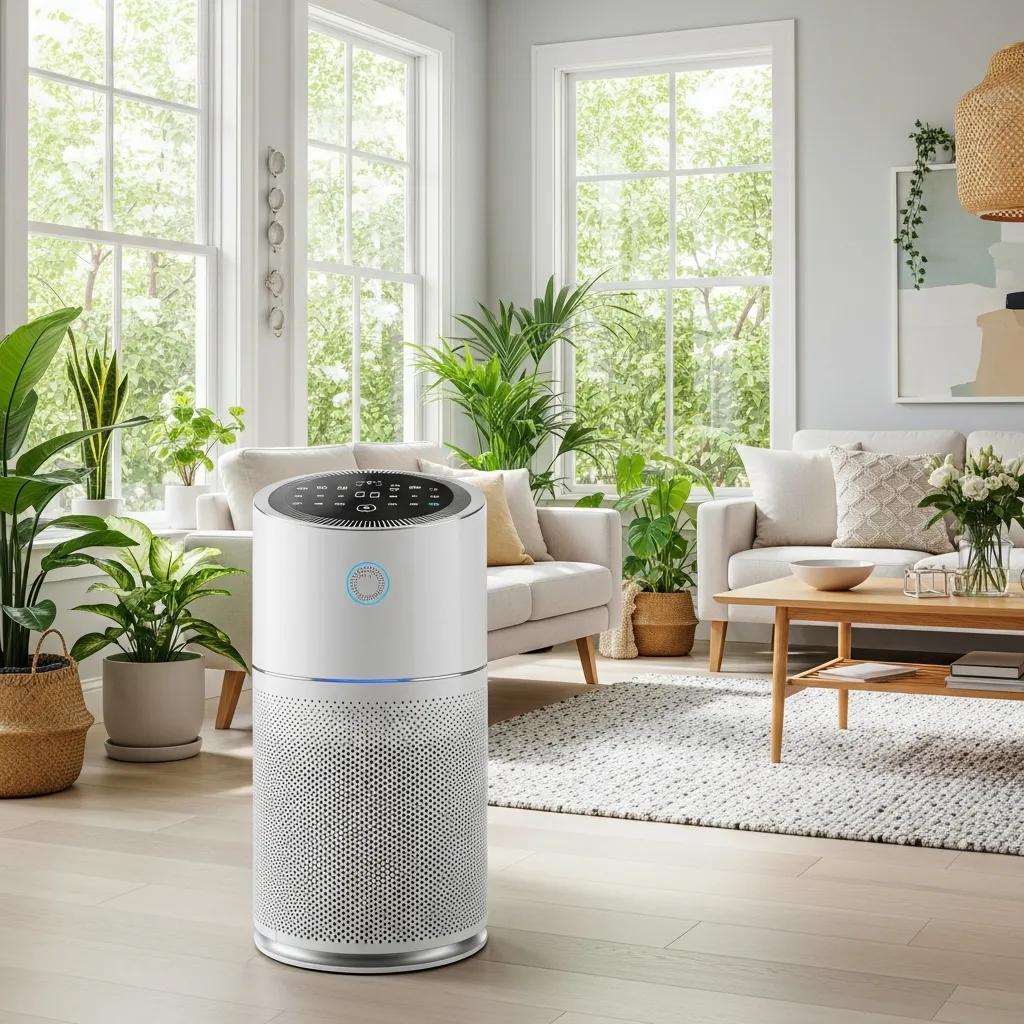
The Complete Guide to Indoor Air Quality Solutions: Expert HVAC Air Filtration and Purification for Healthier Homes and Businesses
Indoor air quality (IAQ) directly affects health and comfort in homes and workplaces. Poor IAQ can cause respiratory conditions, allergies, and fatigue. At Diversified Heating and Cooling, we provide expert guidance on HVAC filtration and purification options tailored for both residential and commercial settings. This guide explains common indoor pollutants, the mechanisms that reduce them, and when to engage professional support. Topics include air quality testing, advanced filtration technologies, and best practices for maintaining effective IAQ.
Recent global health events have increased attention on indoor air quality and its implications for public health and environmental safety.
Comprehensive Guide on Indoor Air Quality Solutions
Indoor air quality solutions include technologies and practices that reduce pollutants and improve the air supply. Understanding available options enables informed decisions about filtration, purification, and ventilation. Effective measures protect occupant health and support comfort and productivity in both homes and workplaces.
Improving IAQ often produces additional benefits such as fewer sick days, reduced allergy symptoms, and improved concentration. When evaluating options, consider the building type, occupancy patterns, known pollutant sources, and ongoing maintenance capacity. Solutions that work well for a small residence may require adaptation for a large office or classroom.
1. Understanding Indoor Air Quality (IAQ)
IAQ describes the condition of indoor air as it affects occupants’ health and comfort. Key factors include dust, mold, pet dander, and volatile organic compounds (VOCs). Poor IAQ can cause headaches, fatigue, and respiratory symptoms. Recognising these factors guides the selection of effective remediation measures.
Common pollutant types can be grouped as particles (dust, pollen, PM2.5/PM10), gases and vapours (VOCs, carbon monoxide), and biologicals (mold, bacteria, viruses). Each behaves differently: particles settle or remain suspended depending on size, gases diffuse and accumulate without ventilation, and biologicals may reproduce under favourable humidity and temperature. Understanding behaviour helps prioritise interventions: source control, dilution (ventilation), capture (filtration), or inactivation (UV, heat, etc.).
2. Professional Air Quality Testing and Diagnostics
Professional air quality testing identifies specific pollutants and assesses overall indoor air health. Tests can detect carbon monoxide, radon, and particulate matter, among others. Detailed diagnostics give our team the data needed to recommend targeted strategies that address the identified issues.
Diagnostic approaches vary by target contaminant. Particle counters and laser-based monitors provide live counts of particulate matter and can show how concentrations change with activities. VOC sensors and sample tubes detect chemical emissions from products or materials. Radon tests and CO detectors address specific gases. A thorough assessment frequently combines spot sampling, time-integrated sampling, and visual inspection of building systems to produce priorities for remediation.
When commissioning testing with Diversified Heating and Cooling, we provide a clear report with measured values, interpreted risk levels, and practical next steps. Our diagnostics link pollutant sources to corrective actions rather than simply listing measurements.
3. Advanced Air Filtration Systems
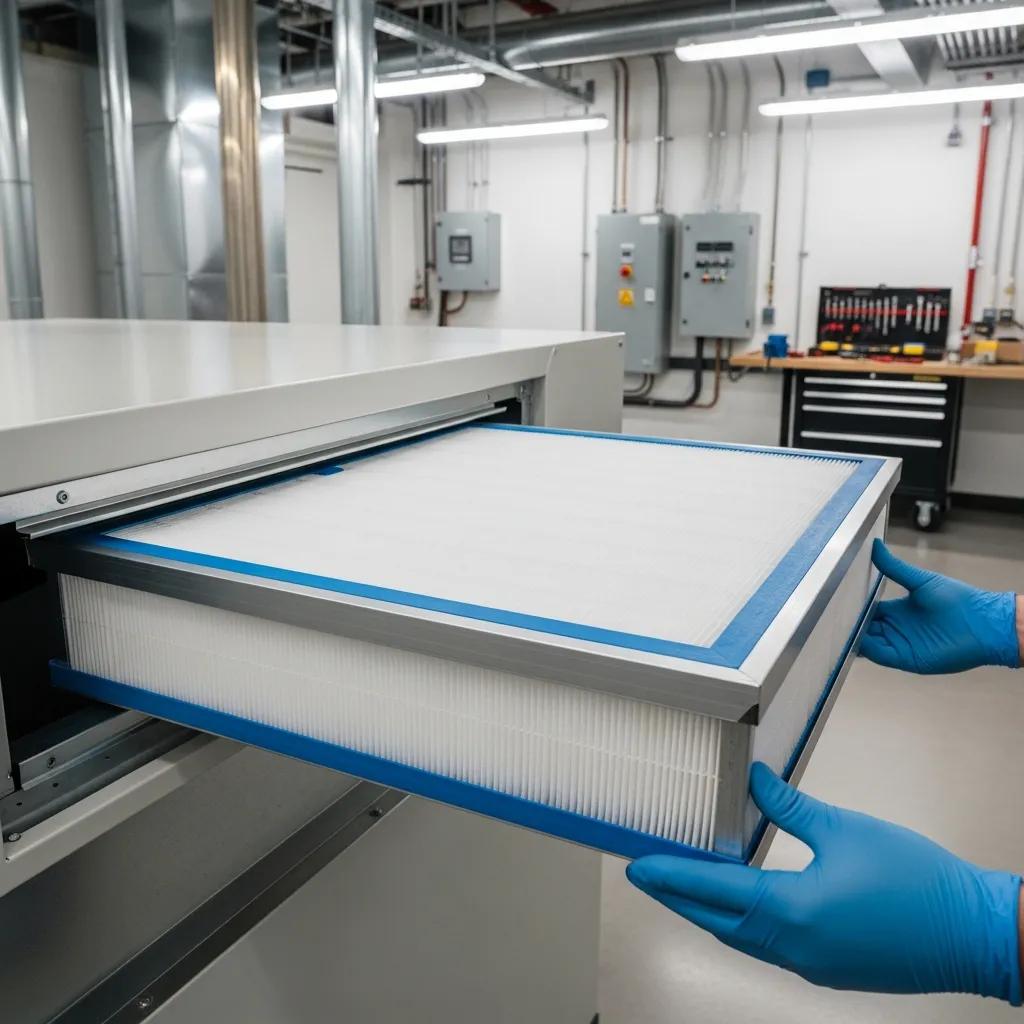
Advanced filtration removes particles and contaminants from circulated air. Common technologies include HEPA filters, activated carbon, and electrostatic precipitators. Each technology captures different pollutant classes to improve indoor air quality.
Evidence supports the role of advanced filtration, particularly HEPA-rated systems, in reducing airborne pathogens and associated health risks.
When selecting filtration, we consider filter efficiency, airflow resistance, compatibility with the HVAC fan, and expected maintenance. Filters are rated by common scales (for example, MERV) that describe particle capture performance; higher-rated filters capture smaller particles but may increase pressure drop. When retrofitting an existing system, we confirm the fan can accommodate the additional resistance or consult a technician to avoid degrading performance or damaging equipment.
Portable HEPA purifiers offer flexible room-level control and are useful where central HVAC upgrades are impractical. Activated carbon stages are valuable where odors or VOCs are a primary concern. Electrostatic devices can reduce fine particles but typically require regular cleaning and careful consideration of ozone production and indoor chemistry.
| Filtration Technology | Mechanism | Benefits |
|---|---|---|
| HEPA Filters | Traps particles as small as 0.3 microns | Highly effective for allergens and dust, improving respiratory comfort |
| Activated Carbon | Adsorbs gases and odors | Reduces VOCs and unpleasant smells, enhancing indoor air freshness |
| Electrostatic Precipitators | Uses electrical charges to remove particles | Efficient for fine particulate matter, though requires regular maintenance |
Installing appropriate filtration can materially improve indoor air quality and support better health outcomes for occupants.
Our practical installation tips include verifying filter dimensions and sealing in the filter rack to avoid bypass, confirming the system’s recommended filter change interval, and maintaining a replacement schedule. For high-occupancy or high-risk environments, we recommend combining filtration with increased ventilation and controlled source removal for the best results.
What Are the Differences Between HEPA Filters and UV Purification?
HEPA filters remove particles by physical capture. UV purification uses ultraviolet radiation to inactivate microorganisms. Used together, they provide complementary protection across particle and biological hazards.
In many settings, HEPA filtration captures infectious aerosols and particulates while UV systems installed downstream or within coils provide an additional layer by inactivating organisms carried on the airflow. UV is not a substitute for a clogged or poorly sized filter; it is most effective as part of a layered strategy that also addresses ventilation and humidity.
How Do Ionizers and Other Purification Technologies Work?
Ionizers release charged particles that attach to airborne contaminants, causing them to agglomerate and settle. Other devices, such as ozone generators, can reduce contaminants but require careful use because they may produce harmful byproducts if misapplied.
When considering ionizers or electrostatic devices, we advise reviewing manufacturer guidance on placement, maintenance, and any byproducts. Some technologies require routine cleaning and verification of performance. For sensitive spaces, we prefer well-documented technologies with independent test data and clear safety information.
4. UV Germicidal Lights
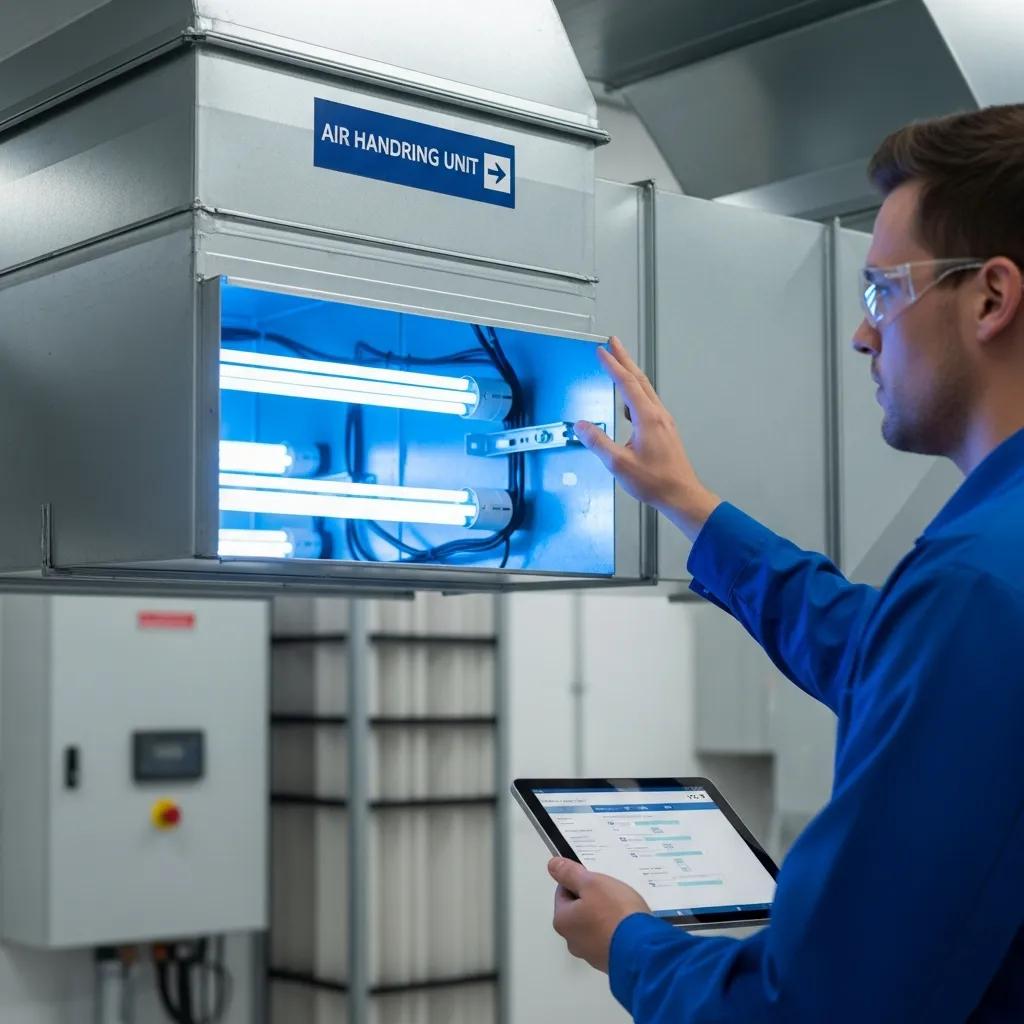
UV germicidal lights improve IAQ by targeting microorganisms. UV-C radiation damages the DNA or RNA of bacteria, viruses, and mold spores, rendering them inactive. Integrating UV lamps into HVAC systems can reduce microbial load in circulated air.
Studies on UV-C irradiation in HVAC systems emphasise correct lamp placement and system integration to achieve effective germicidal action.
Key installation considerations include locating lamps where airflow and exposure time deliver sufficient dose, protecting occupants and service personnel from direct exposure, and following manufacturer guidance for lamp replacement and ballast maintenance. Routine cleaning of lamp sleeves improves performance because dust and film can reduce UV intensity.
UV systems are commonly used in coil and drain pan locations to prevent mold growth and maintain coil heat-exchange efficiency. In-duct or upper-room UV units require professional design to ensure proper coverage and safety controls. We recommend combining UV with filtration to manage both particles and living microorganisms.
How UV Lights Work
UV-C lamps emit radiation that disrupts the genetic material of microorganisms. When positioned in air-handling pathways, they can provide continuous disinfection as air circulates.
Lamp performance depends on distance to the target, exposure time, and the presence of obstructions or dust. Periodic measurement of output and adherence to recommended replacement intervals maintain effective germicidal action.
Benefits for IAQ
UV germicidal lights reduce the presence of harmful microorganisms and lower the risk of airborne infection. This contributes to a safer indoor environment for occupants.
Additional benefits include reduced microbial fouling on cooling coils, which can restore system efficiency and reduce energy use over time. When evaluating UV installations, consider maintenance access and the need to schedule lamp inspection as part of routine HVAC servicing.
5. Whole-Home Ventilation Solutions
Whole-home ventilation supplies a steady flow of fresh air to dilute indoor pollutants and manage humidity. Proper ventilation is fundamental to maintaining acceptable indoor air standards.
Types of Ventilation Systems
- Exhaust Ventilation : Removes stale air from the home, creating a negative pressure that draws in fresh air from outside. This method is effective in reducing indoor pollutant levels but requires careful design to avoid moisture issues.
- Supply Ventilation : Introduces fresh air into the home while exhausting stale air, maintaining balanced pressure. This approach helps control air quality and can be combined with filtration for enhanced results.
- Balanced Ventilation : Combines both exhaust and supply systems to ensure a consistent flow of fresh air without creating pressure imbalances. Balanced systems often include energy recovery features to improve efficiency.
In many climates, energy recovery ventilators (ERVs) or heat recovery ventilators (HRVs) are used to exchange heat and, in some designs, moisture between incoming and outgoing air streams. These systems can make continuous ventilation more energy-efficient while controlling humidity transfer. Selection should consider climate, occupancy, and the need for filtration on the incoming air stream.
Benefits of Proper Ventilation
Proper ventilation reduces indoor pollutants, controls humidity, and enhances occupant comfort. Whole-home ventilation helps maintain consistent air quality throughout the building.
For best outcomes, pair ventilation with filtration to ensure incoming air is not a new source of contaminants. Controls that allow timed or demand-based ventilation (for example, based on CO2 or humidity levels) help balance air quality and energy use.
6. Humidity Control Systems
Humidity control systems help preserve optimal indoor conditions. Excess humidity encourages mold growth; low humidity can cause respiratory discomfort and dry mucous membranes.
Effects of Humidity on IAQ
High moisture supports mold and dust mite proliferation, both common allergens. Low humidity dries mucous membranes and can increase susceptibility to respiratory infections.
Keeping humidity in a recommended comfort range prevents many moisture-related IAQ issues. Monitoring with a reliable hygrometer and adjusting with humidifiers or dehumidifiers prevents extremes that promote either microbial growth or respiratory irritation.
Types of Humidity Control Systems
- Dehumidifiers : Remove excess moisture from the air, helping to prevent mold growth and improve comfort. They are especially useful in damp areas such as basements or bathrooms.
- Humidifiers : Add moisture to the air, alleviating dryness and improving respiratory health. Proper use can reduce irritation caused by dry indoor air during colder months.
- Whole-House Systems : Integrate humidity control into the HVAC system for consistent moisture management throughout the home. These systems provide automated control and can improve overall IAQ.
Regular cleaning of humidifiers and following manufacturer guidance avoids microbial growth in the device itself. Dehumidifiers placed in basements or other damp spaces often improve overall indoor comfort and reduce the need for intensive remediation later.
7. Regular HVAC Maintenance
Regular HVAC maintenance preserves system performance and supports indoor air quality. Scheduled inspections and service catch issues before they escalate.
Maintenance Tasks for IAQ
- Filter Replacement : Regularly changing air filters helps to maintain airflow and improve filtration efficiency. We recommend inspecting filters monthly and replacing them as needed to ensure optimal performance.
- Duct Cleaning : Removing dust and debris from ductwork can prevent the circulation of pollutants throughout the home. Professional duct cleaning also helps maintain system efficiency and prolong equipment life.
- System Inspections : Regular inspections can identify issues such as leaks or mechanical failures that may impact air quality. Our technicians check all components to ensure safe and effective operation.
In addition to these core tasks, we inspect drain pans and condensate lines, check coil cleanliness, verify thermostat and control calibration, and examine outdoor equipment for proper operation. Documenting each maintenance visit and noting observed pollutant sources helps create an IAQ history for the property.
Benefits of Regular Maintenance
Routine maintenance improves indoor air quality, extends equipment life, and enhances energy efficiency. These actions reduce long-term costs and support reliable system operation.
A regular maintenance program also enables timely upgrades. For example, when systems are already being serviced, adding enhanced filtration or installing UV units can be coordinated to minimise downtime and cost.
8. Additional Solutions for Improved IAQ
Beyond core systems, several supplementary methods can further improve indoor air. These options can complement filtration, ventilation, and humidity control.
- Air Purifiers : Portable units that can be used in specific rooms to remove pollutants and allergens. We recommend selecting models with appropriate clean air delivery rates (CADR) and features suited to your space.
- Houseplants : Certain plants can naturally filter indoor air and improve humidity levels. While they offer psychological benefits and some air purification, they should be used alongside mechanical systems for best results.
- Activated Charcoal : Used to absorb odors and toxins, providing an additional layer of air purification. This method is particularly effective in areas with strong odors or chemical emissions.
When selecting portable air purifiers, consider CADR ratings for particle removal, appropriate room size coverage, and whether activated carbon or other media are included for gases. Place portable units where occupants spend most time or where pollutant sources are strongest, such as cooking areas or rooms with pets.
Small behavioral changes—like using low-VOC paints and products, ventilating during painting or renovation, and storing chemicals outside living spaces—can complement technical solutions and often deliver the quickest improvements.
How Home Air Quality Solutions Optimize Comfort and Safety
Combining these measures—filtration, ventilation, humidity control, and targeted purifiers—produces measurable improvements in comfort and safety. Addressing pollutant sources and maintaining proper humidity supports a healthier indoor environment.
A layered approach is especially important in multi-use buildings where occupancy patterns vary. Use monitoring to validate system performance and adjust strategies seasonally, for occupancy changes, or during events that raise pollutant loads such as renovations or wildfire smoke episodes.
9. Importance of Professional Help
Some IAQ measures are suitable for DIY implementation; others require professional expertise to achieve reliable results and regulatory compliance.
Benefits of Professional Testing
Professional testing delivers a comprehensive pollutant profile and actionable data. Our experts interpret results and recommend technologies that address the identified contaminants.
As a qualified contractor, Diversified Heating and Cooling advises on system compatibility, calculates required airflow and filtration levels, sources appropriate equipment, and provides a clear installation plan. For commercial properties, we also ensure compliance with local codes and standards and provide documentation for building owners or managers.
Tailored Solutions
We design customised IAQ strategies for each property, ensuring the selected measures address the site-specific risks and deliver the best outcomes.
When engaging our services, ask about our experience with similar buildings, references, and maintenance plans. A staged approach—diagnose, pilot, then scale—reduces risk and lets building managers validate benefits before committing to large capital projects.
Get Expert Indoor Air Quality Solutions Today
At Diversified Heating and Cooling, located in Yucca Valley, CA, we are committed to helping you achieve healthier indoor environments. Whether you need professional air quality testing, advanced filtration installation, or comprehensive HVAC maintenance, our experienced team is ready to assist.
Contact us to schedule a consultation and receive personalised recommendations tailored to your home or business. Let us help you breathe easier and create a safer, more comfortable space for everyone.