



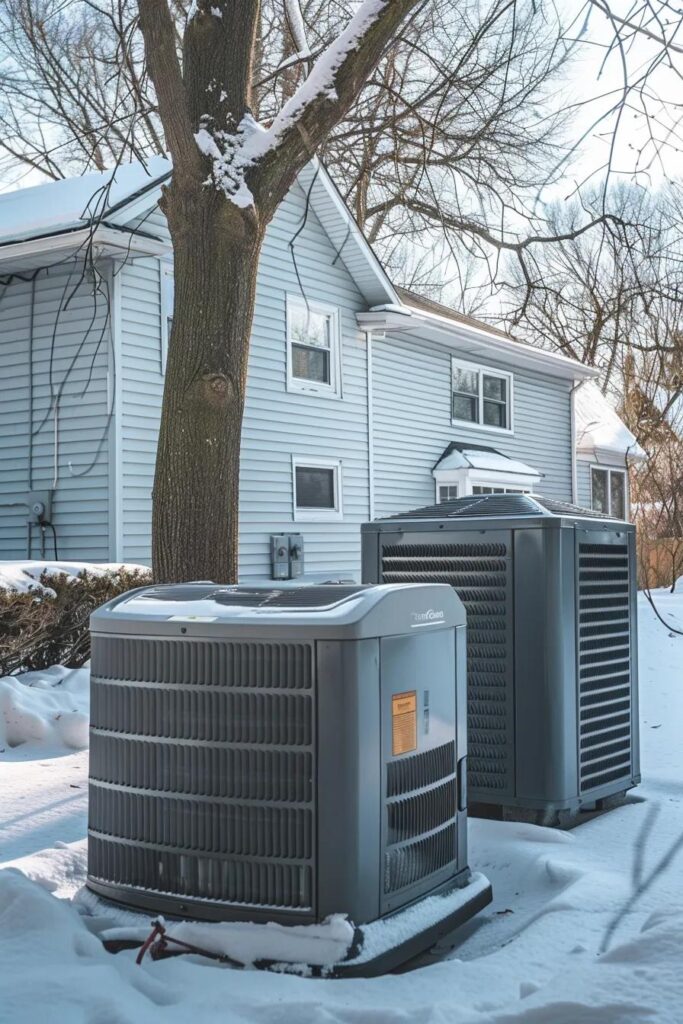
Heat Pumps vs. Furnaces — A Practical Guide for Michigan Homes
Deciding how to heat your Michigan home? Knowing the difference between a heat pump and a furnace helps you pick the solution that fits your budget, comfort needs, and local weather. Below we break down how each system works, the pros and cons, expected costs, energy performance, and the rebates that may apply — so you can talk with us and make an informed choice. Whether you prioritize efficiency, cold-weather reliability, or long-term savings, this guide will help you weigh the options clearly.
What Is a Heat Pump and How Does It Work?
A heat pump moves heat rather than producing it. Using a refrigeration cycle, it pulls heat from the air or ground and brings it inside in winter — and reverses to cool your home in summer. That ability to both heat and cool makes heat pumps a flexible, energy-efficient option that often lowers utility bills compared with systems that generate heat directly.
Types of Heat Pumps: Air-Source, Geothermal, and Mini-Split Explained
Heat pumps come in several styles to suit different homes and budgets:
- Air-Source Heat Pumps: These pull heat from outside air and move it indoors. They’re common because they’re relatively affordable and easier to install.
- Geothermal Heat Pumps: These use underground temperatures for heating and cooling. They’re highly efficient and can cut energy bills substantially, though installation is more involved and costly up front.
- Mini-Split Heat Pumps: Ductless systems that let you heat and cool individual rooms or zones. Ideal when you don’t have existing ductwork or want targeted comfort control.
What Is a Furnace and How Does It Operate?
A furnace produces heat—typically by burning fuel or using electric resistance—and pushes that warm air through ductwork to heat your home. Furnaces are straightforward, able to deliver strong heat quickly, and are a reliable choice in the coldest weather.
Common Furnace Types: Gas, Electric, Oil, and Propane
Furnaces are available in several fuel types:
- Gas Furnaces: Run on natural gas and are widely used where gas service is available. They’re efficient and usually lower-cost to operate than electric heat.
- Electric Furnaces: Use electric resistance elements to make heat. Easier to install but often costlier to run depending on electricity rates.
- Oil Furnaces: Use heating oil, less common in urban areas but a solid option where gas isn’t available. They need regular maintenance to run well.
- Propane Furnaces: Similar to gas models but use bottled or bulk propane—common in rural homes without gas lines.
How Do Heat Pumps and Furnaces Compare in Energy Efficiency and Operating Costs?
Energy efficiency and operating costs are key when choosing a heater. Because heat pumps transfer heat instead of creating it, they generally show higher efficiency and can lower monthly energy bills—especially where winters are milder. Furnaces can deliver higher output in deep cold but usually rely on burning fuel or electric resistance, which affects running costs.
Understanding Efficiency Metrics: COP, AFUE, and HSPF
Here are the common efficiency metrics to compare systems:
| Metric | Description | Value |
|---|---|---|
| COP (Coefficient of Performance) | How efficiently a heat pump turns input energy into heat — heat output divided by energy input. | Typically ranges from 2.5 to 4.0 |
| AFUE (Annual Fuel Utilization Efficiency) | The percentage of fuel a furnace converts into usable heat over a season. | Ranges from 78% to 98.5% |
| HSPF (Heating Seasonal Performance Factor) | A seasonal efficiency rating for heat pumps that reflects real-world heating performance. | Ranges from 7.7 to 13.0 |
Long-Term Savings: Electricity vs. Fuel Costs in Michigan
Michigan electricity prices can change, while natural gas has been historically more stable but has also risen at times. That means heat pumps may cost less to run during milder winters, while furnaces can be more economical when temperatures plunge deeply and frequently. Consider both current utility rates and likely future trends when estimating long-term savings.
Beyond lab ratings, tracking how systems actually perform in real homes helps spot units that aren’t delivering expected savings and guides smarter choices after installation.
Real-World Heat Pump Efficiency & Performance Monitoring
As heat pumps are installed more widely in homes, monitoring real-world performance becomes essential. Installation errors, wrong settings, or equipment faults can raise energy use and undermine expectations. Large field studies that analyze operational data are rare but telling: in the largest dataset to date, researchers tracked 1,023 heat pumps across Central Europe for two years. Applying methods adapted from lab tests to real operation data, they found that 17% of air-source and 2% of ground-source heat pumps failed to meet existing efficiency standards. About 10% of systems were oversized and roughly 1% were undersized. These results highlight the need for standardized post-installation checks and digital tools that give installers and homeowners clear, actionable feedback to improve performance.
Estimation of energy efficiency of heat pumps in residential buildings using real operation data, T Brudermueller, 2025
How Do Heat Pumps and Furnaces Perform in Michigan’s Cold Climate?
Michigan winters are demanding, so system choice should reflect how a unit behaves in low temperatures. Both technologies can work well when specified and installed correctly, but their strengths differ.
Modern Cold-Climate Heat Pumps: Capabilities and Limitations
Today’s cold-climate heat pumps are engineered to operate reliably at temperatures down to about -15°F (-26°C). They use advances like variable-speed compressors and refrigerant technology to maintain heat output, though efficiency does fall off as temps drop. Many homeowners pair a heat pump with supplemental electric heat or a hybrid system for the coldest days to keep comfort consistent.
Ongoing studies continue to refine how metrics such as COP and SPF reflect real cold-weather performance and which technologies best sustain efficiency in sub-zero conditions.
Cold Climate Heat Pump Efficiency & Performance Metrics
This research reviews performance indicators for heat pumps used in cold regions, focusing on COP and SPF values. Heat pumps are increasingly seen as efficient replacements for traditional heating, but extreme winter conditions can limit their benefits. The study examines case data and experiments that test whether heat pumps can keep high efficiency in areas with heavy heating demand during sub-zero weather. It highlights system changes—like modified vapor injection and variable-speed compressors—that improve cold-weather functionality and supports careful selection of equipment for those climates.
Assessing the efficiency of heat pumps in cold climates: A study focused on performance metrics, A Tejani, 2021
Furnace Reliability and Backup Heating Options for Extreme Cold
Furnaces are dependable when temperatures plunge and supply steady, high-output heat. To combine strengths, many homeowners use a dual-fuel setup: a heat pump for mild to moderate days and a furnace that kicks in during extreme cold. Simple backups like electric resistance strips or a well-configured hybrid system give extra reassurance on frigid nights. furnace high limit switch in extreme scenarios.
What Are the Upfront Costs, Rebates, and Incentives for Heat Pumps and Furnaces in Michigan?
Costs and incentives make a big difference in which system makes sense for your home. Upfront price, installation complexity, and available rebates should all factor into the decision.
Installation and Replacement Costs: Heat Pump vs. Furnace
Installation costs vary by system type and job complexity. Typical ranges are: air-source heat pumps — $4,000 to $8,000; geothermal systems — $10,000 to $30,000 because of ground loop work; furnaces — $3,000 to $7,000 depending on fuel type and existing ductwork. Balance upfront cost with expected energy savings over the life of the equipment when budgeting.
Federal and Local Rebates for Heat Pump Installations in Michigan
Michigan homeowners may qualify for federal and local incentives for heat pump installations. For example, the federal Inflation Reduction Act currently provides tax credits of up to 30% of installation costs for qualifying heat pumps through 2032. Utilities and state programs sometimes offer additional rebates. Check eligibility rules and application steps so you don’t miss available savings.
What Are the Pros and Cons of Heat Pumps and Furnaces?
Weighing pros and cons helps match a system to your priorities: efficiency, reliability, or upfront cost.
Environmental Impact and Indoor Air Quality Considerations
Heat pumps typically use less energy and produce fewer greenhouse gas emissions—especially when powered by low-carbon electricity—so they’re usually the greener choice. They can also help manage indoor humidity and ventilation. Furnaces burn fuel, which can introduce combustion byproducts if not properly vented and maintained, so regular servicing is important for indoor air quality.
Lifespan, Maintenance, Comfort, and Noise Levels Compared
Expect heat pumps to last about 15–20 years and furnaces about 15–30 years, depending on type and care. Heat pumps need routine checks of refrigerant, coils, and filters; furnaces require annual inspections, burner cleaning, and filter changes. Heat pumps tend to provide steady, even warmth; furnaces can heat a home faster but may create temperature swings. Modern units on both sides are designed to be quiet, though older systems can be noisier.
Both heat pumps and furnaces have clear advantages. Your best choice depends on your home’s insulation, local climate, fuel availability, and budget.
Frequently Asked Questions
1. What factors should I consider when choosing between a heat pump and a furnace?
Think about your local climate, current energy prices, home size and insulation, and whether you want both heating and cooling from one system. Installation cost, ongoing maintenance, and available rebates are also important. If you’re unsure, we recommend a load calculation and a site visit so we can recommend the right option for your home.
2. How do heat pumps perform in extremely cold temperatures?
Cold-climate heat pumps can operate effectively down to about -15°F (-26°C), but efficiency drops as temperatures fall. Many homeowners use a heat pump year-round and add a backup heat source—like electric resistance or a furnace—for the coldest days to maintain comfort.
3. Are there any maintenance differences between heat pumps and furnaces?
Yes. Heat pumps need regular filter changes, outdoor unit clearances, and periodic refrigerant and coil checks. Furnaces require annual inspections, burner cleaning, and filter replacements. Regular maintenance on either system improves efficiency, longevity, and safety.
4. What are the environmental benefits of using a heat pump?
Heat pumps typically use less energy than combustion-based systems, which reduces greenhouse gas emissions—especially when your electricity comes from cleaner sources. They also help control indoor humidity and ventilation, supporting better indoor air quality.
5. How do I determine the right size heat pump or furnace for my home?
Proper sizing is critical. A load calculation accounts for square footage, insulation, window area, and local climate. Oversized or undersized units cost more to run and may not keep your home comfortable. We recommend working with a qualified HVAC professional for an accurate sizing and recommendation.
6. What financial incentives are available for installing heat pumps in Michigan?
Michigan homeowners can take advantage of federal and local incentives. The federal Inflation Reduction Act offers tax credits up to 30% of eligible installation costs for qualifying heat pumps through 2032. Utilities and state programs may offer additional rebates—check current programs and eligibility before you buy.
7. Can I use both a heat pump and a furnace in my home?
Yes. A dual-fuel or hybrid system pairs a heat pump with a furnace so the heat pump handles milder weather efficiently and the furnace takes over when it’s very cold. This setup combines efficiency with dependable cold-weather performance.
Conclusion
Choosing between a heat pump and a furnace comes down to your priorities: efficiency and lower emissions versus maximum cold-weather output. For many Michigan homes, a cold-climate heat pump or a hybrid dual-fuel system delivers the best balance of comfort and savings. If you’d like a tailored recommendation, our team can review your home and walk you through options, costs, and incentives so you can make the decision that’s right for you.