



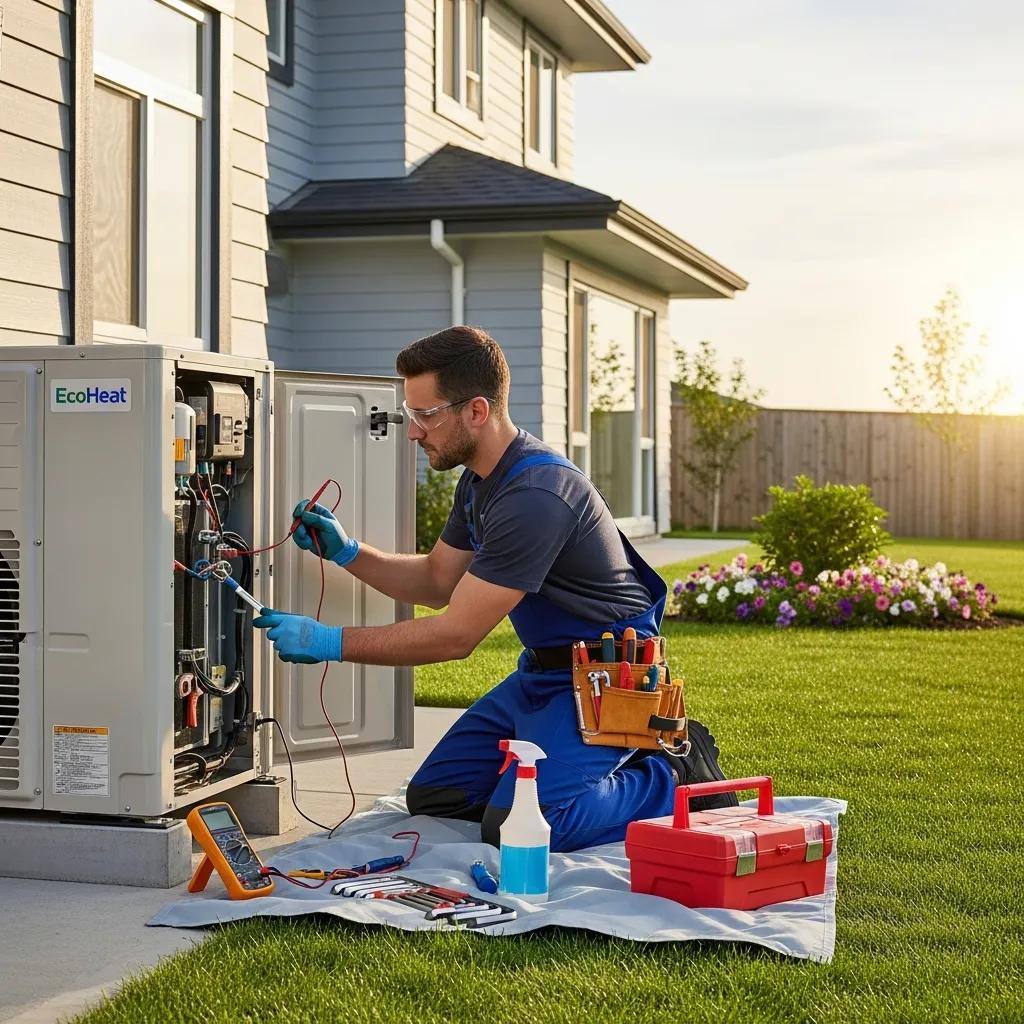
How to Maintain Your Heat Pump for Better Efficiency and Longer Life
Keeping your heat pump in good shape protects comfort and lowers energy costs. Simple, regular care prevents breakdowns and keeps the system running efficiently — which means smaller utility bills and fewer surprise repairs. Below you’ll find clear, practical guidance on how often to schedule service, the essential tasks to keep up with, and when it’s best to call a pro. Follow these tips and your heat pump will reward you with reliable performance year‑round.
Beyond immediate savings, routine maintenance preserves long‑term reliability and can improve comfort consistency across your home. Regular attention also makes it easier to document service history for warranty purposes and gives you clearer information when discussing repair versus replacement decisions with a technician. The small time and cost invested in preventive care often pays back through reduced emergency repairs and smoother seasonal transitions.
How Often Should You Schedule Preventive Heat Pump Maintenance?
Preventive maintenance is the easiest way to extend a heat pump’s life and preserve efficiency. At minimum, plan for one checkup a year (spring or fall). For the best performance through both cooling and heating seasons, aim for two tune‑ups per year. Twice‑annual visits let a technician inspect, adjust, and catch small issues before they become costly problems.
Frequency should be adapted to conditions in your home. If you live in a dusty area, have pets, maintain high indoor humidity, or use the system heavily, more frequent checks and filter changes are sensible. Similarly, older systems or units under warranty may benefit from closer inspection to ensure ongoing coverage and early detection of developing faults.
What Are the Recommended Seasonal Tune-Up Intervals?
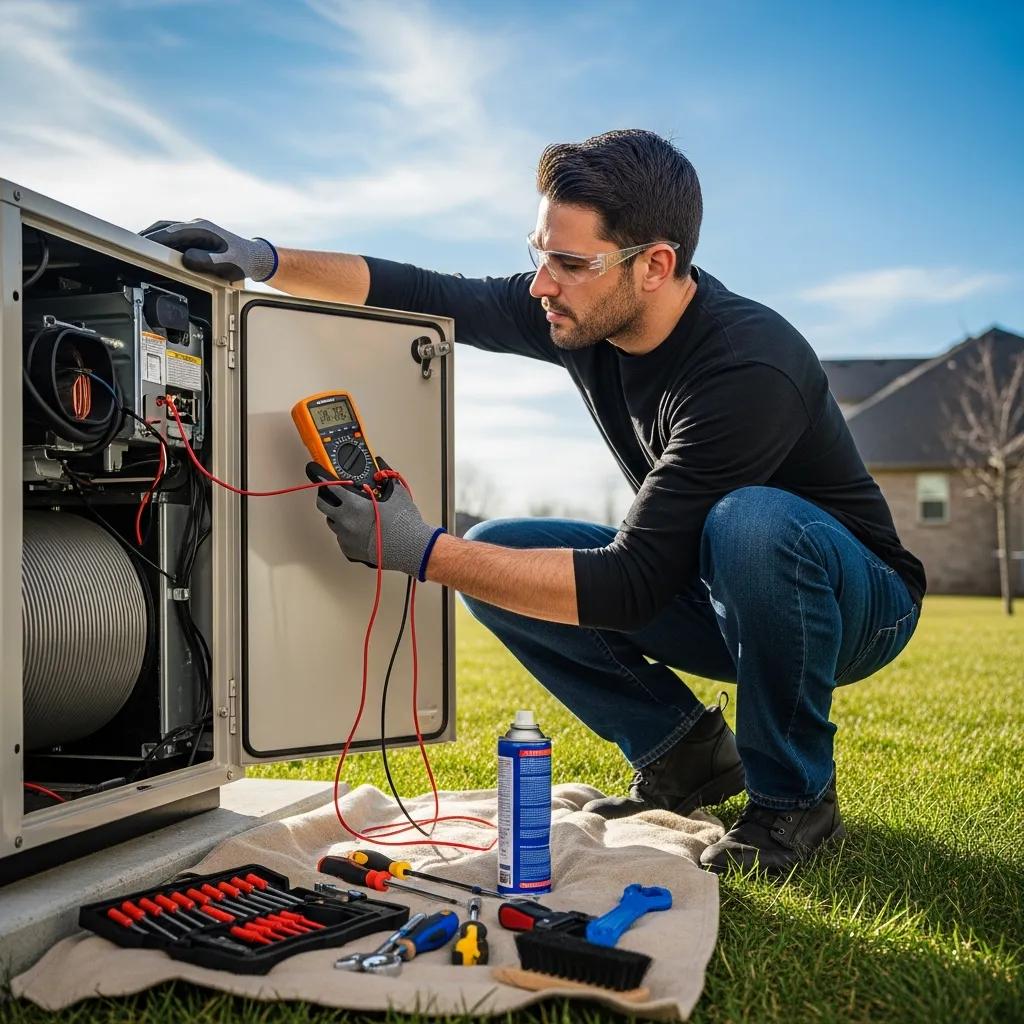
Plan a spring visit to prepare for cooling: check refrigerant levels, clean coils, and verify airflow. Schedule a fall visit to ready the system for heating: inspect electrical connections, test the thermostat, and confirm controls are working. These seasonal checks keep performance steady and reduce the chance of an off‑season breakdown.
During a spring service a technician will typically inspect the outside condenser, clean or evaluate coil condition, check fan operation, and confirm that cooling performance matches expected output. In the fall the focus shifts to reversing valves and heating performance, verifying defrost cycles where applicable, and testing safety controls so the system is ready for cold weather operation.
How Regular Maintenance Prevents Costly Breakdowns
Routine service cuts the risk of expensive failures by catching wear and small faults early. Simple steps — like replacing a dirty filter — prevent system strain that can lead to compressor or motor damage. Research and field data show homes with scheduled maintenance typically face fewer major repairs over time; exact savings vary by system type and service quality.
Typical maintenance tasks address the common failure points: lubrication and belt checks on moving parts, tightening electrical connections that can loosen with vibration, verifying control settings, and ensuring drain paths are clear to prevent water damage. Finding and fixing minor problems early reduces the chance of component failures that are costly to replace.
Essential Heat Pump System Care Tasks
A few regular tasks keep a heat pump running well: clean or replace filters, have refrigerant levels checked, and keep the outdoor unit clear of leaves and debris. Each task supports efficient operation and helps extend the unit’s usable life.
Outdoor unit care deserves particular attention. Keep at least a couple of feet of clear space around the condenser, trim back vegetation, and remove built‑up debris from the base and grille. Make sure the unit sits level and that the area around it drains well; standing water or heavy debris can accelerate corrosion and reduce airflow.
Cleaning and Replacing Heat Pump Filters Effectively
Filters are an easy, high‑impact maintenance item. Inspect filters monthly and clean or replace them every 1–3 months depending on use and dust levels. Clean filters improve airflow, boost efficiency, and help indoor air quality. To clean reusable filters, remove them, wash with warm soapy water, rinse, and let them dry completely before reinstalling.
A simple step‑by‑step approach helps: first turn the system off, open the return grille or filter compartment, note the filter orientation, remove the filter, and inspect it under good light. If washable, soak in warm soapy water and gently agitate to loosen debris, rinse until water runs clear, and air‑dry fully. If the filter shows tears or persistent discoloration, replace it.
Why Inspecting Refrigerant Levels Matters
Correct refrigerant charge is essential for heating and cooling performance. Low levels reduce capacity and increase energy use. Have refrigerant checked during seasonal service; if it’s low, a technician should locate and repair any leaks before recharging to ensure safe, efficient operation.
Homeowners should watch for subtle leak indicators such as oily residue around fittings, icing on coils, or a drop in comfort despite normal runtime. Because refrigerant handling requires certified technicians and specialized tools, leave charging and leak repair to professionals to ensure correct diagnosis and environmental compliance.
How Energy‑Efficient HVAC Maintenance Lowers Your Utility Bills
Keeping a heat pump tuned and clean helps it use less electricity to deliver the same comfort. Regular maintenance — from coil cleaning to electrical checks — reduces wasted energy and can show up as lower monthly bills and steadier system performance.
Small adjustments add up. Ensuring supply and return vents are unobstructed, confirming fan speeds are set for the application, and calibrating the thermostat all reduce runtime and improve comfort. Over time, these incremental gains compound into meaningful reductions in energy use without changing major equipment.
Key Maintenance Practices That Maximize Efficiency
Several straightforward practices deliver the biggest efficiency gains:
- Regular Filter Changes : Clean filters maintain proper airflow so the system doesn’t work harder than it needs to, which saves energy and improves air quality.
- Coil Cleaning : Dirty coils slow heat transfer and force the system to run longer. Keeping coils clean restores efficient thermal exchange.
- Thermostat Calibration : An accurate thermostat prevents over‑running and reduces unnecessary cycling, lowering wear and energy use.
Consistently following these steps often produces noticeable reductions in energy consumption.
Research and field studies underscore how targeted maintenance strategies improve heat pump energy performance.
How System Diagnostics Reveal Energy Waste
Diagnostics help pinpoint where energy is leaking away. Technicians use tools like thermal cameras and airflow meters to find problems such as refrigerant leaks, restricted airflow, or failing components. Identifying these issues lets you fix the root cause instead of treating symptoms, which improves efficiency and lowers operating costs.
Diagnostic results often produce an actionable list: items to tighten, parts to replace, or adjustments to airflow and control settings. With that information technicians can recommend targeted repairs or tune‑ups that shorten runtime, reduce noise, and restore the unit to closer to original performance levels.
Common Heat Pump Problems and Troubleshooting Tips
Knowing common issues helps you take quick, effective action. Typical problems include weak heating or cooling, odd noises, and short cycling. Spotting these early helps avoid larger repairs later.
A basic homeowner troubleshooting routine can save time: confirm thermostat settings and batteries, check that breakers are on, inspect visible wiring for obvious damage, ensure filters and vents are clear, and look for ice on the outdoor coil. If a simple step fixes the symptom, note the change and continue to monitor performance.
Early Warning Signs of Heat Pump Failure
- Unusual Noises : Grinding, squealing, or rattling can signal worn bearings, loose parts, or motor trouble that needs attention.
- Inconsistent Temperatures : Rooms that are noticeably warmer or cooler than others may point to airflow problems or failing components.
- Increased Energy Bills : A sudden jump in costs can indicate reduced efficiency or a malfunction that should be diagnosed.
Spotting these signs early gives you time to schedule service before a minor issue becomes a major repair.
When to Call a Professional for Heat Pump Repairs
Call a licensed technician if problems persist after basic checks. Complex issues — such as refrigerant leaks, electrical faults, or repeated cycling — require professional diagnosis. If your system is 10–15 years old and breaking down frequently, discuss replacement options with a technician.
When contacting a professional, have recent service history and notes on symptoms ready. Ask about the diagnostic process, whether they provide written estimates, and if parts and labor carry a warranty. Clear communication up front helps ensure the technician can provide accurate pricing and a reliable repair plan.
Advantages of Professional Heat Pump Maintenance Services
Professional service brings technical expertise, thorough inspections, and maintenance tailored to your unit. Technicians can spot hidden problems, perform secure refrigerant handling, and recommend improvements that prolong life and efficiency.
Licensed technicians also have access to the correct replacement parts and follow manufacturer guidance, which helps preserve warranty coverage. Professionals document findings and adjustments, so you have a record to track trends, make informed replacement decisions, and validate prior work if issues reoccur.
How Personalized Maintenance Plans Extend System Life
A customized plan matches service frequency and tasks to your equipment, home, and usage patterns. That targeted approach helps address system‑specific wear and prevents small issues from shortening equipment life.
Personalized plans commonly include a seasonal checklist, a schedule for filter and coil attention, refrigerant verification, safety control tests, and a summary report after each visit. These elements let both the homeowner and technician track changes over time and adjust the plan as the system ages.
Energy‑Saving Recommendations Experts Often Advise
Technicians commonly suggest:
- Regular Maintenance : Biannual checkups catch problems early and keep the system efficient.
- Smart Thermostats : Programmable or smart thermostats optimize schedules and reduce wasted runtime.
- Insulation Improvements : Proper insulation and air sealing reduce heat loss and help the system maintain set temperatures with less effort.
Applying these recommendations can produce meaningful energy savings over time.
In addition to hardware changes, small behavioral adjustments help: modestly widening temperature setbacks when away, avoiding rapid setpoint changes, and keeping interior doors and vents balanced. Track energy use after adjustments so you can see measurable progress and refine strategies that work best in your home.
How to Perform a DIY Heat Pump Seasonal Tune‑Up Safely
Homeowners can handle basic seasonal checks that improve performance. Safe DIY tasks include clearing debris, checking filters, and verifying thermostat settings. These simple steps make a big difference between professional visits.
Tasks You Can Safely Handle Yourself
Homeowners can perform tasks such as:
- Cleaning Filters : Inspect and clean or replace filters regularly to preserve airflow and efficiency.
- Clearing Debris : Keep the outdoor unit free of leaves, grass clippings, and other obstructions that block airflow.
- Checking Thermostat Settings : Confirm seasonal settings and schedules to avoid unnecessary heating or cooling.
These simple steps are safe for most homeowners and help the system run more efficiently between professional visits.
A short DIY safety checklist helps: always switch power off at the thermostat and breaker before opening panels, wear simple eye protection when clearing debris, avoid touching refrigerant lines, and keep tools basic—screwdriver, soft brush, and a vacuum for excess dust. If you encounter unexpected wiring, corrosion, or refrigerant odors, stop and call a pro.
When Professional Service Is Necessary
Leave complex or potentially hazardous tasks to a qualified technician — things like refrigerant recharging, electrical repairs, and full diagnostics. If your system continues to underperform despite basic maintenance, schedule professional service.
Professional intervention is especially important when the unit shows repeated faults, produces smoke or burning smells, or trips breakers regularly. A qualified technician can test components under load, interpret diagnostic data, and recommend whether repair or replacement is the most cost‑effective route.
How Heat Pump Maintenance Affects Lifespan and Reliability
Consistent maintenance improves reliability and can add years to a heat pump’s service life. Systems that receive scheduled care tend to experience fewer breakdowns and lower overall repair costs.
Good maintenance protects major components such as compressors and fans, and reduces the cumulative wear that accelerates failure. While exact lifespan varies, treating the equipment thoughtfully gives you the best chance to maximize years of reliable performance from your investment.
Industry Evidence Supporting Regular Maintenance
Industry data shows routine maintenance often extends equipment life by several years and reduces the frequency of major failures. Outcomes vary by equipment age, usage, and service quality, but the trend is clear: care pays off.
How Maintenance Reduces Unexpected Breakdowns
Regular inspections identify worn parts, leaks, and other developing issues before they grow. Addressing those items early prevents cascading failures and keeps downtime to a minimum.
How to Schedule Heat Pump Maintenance Services with Diversified Heating and Cooling?
Booking maintenance with Diversified Heating and Cooling is quick and convenient. Our team will help you find a time that fits your schedule and ensure your system gets the attention it needs.
When you schedule a visit, have details ready such as the system model, age, recent service notes, and any specific symptoms. That information helps the dispatcher assign the right technician and prepare parts and tools, reducing time on site and improving the quality of the visit.
What Is the Process for Booking Professional Heat Pump Service?
To arrange service, follow these simple steps:
- Contact Us : Reach out to our customer support team via phone or email to describe your needs.
- Schedule an Appointment : Pick a date and time that work for you.
- Receive Confirmation : We’ll send appointment details so you know what to expect.
This straightforward process lets homeowners get professional maintenance without hassle.
To make the most of your appointment, clear a small working area around indoor equipment, note any recent unusual behavior, and gather warranty or past service records if available. These preparations help the technician complete a thorough inspection more efficiently.
How Our Customer Support Improves Your Maintenance Experience
Our team is focused on fast, clear communication and making the service process easy. We prioritize your comfort and satisfaction, from scheduling through follow‑up.
After service, our team can provide written summaries of work performed, note recommended follow‑up items, and help schedule recurring visits so you stay on a consistent maintenance cadence. Clear records reduce confusion and make long‑term care easier to manage.
Schedule Your Heat Pump Maintenance Today
Regular heat pump maintenance is one of the simplest, most effective ways to save energy and avoid costly repairs. By following best practices and scheduling professional tune‑ups, homeowners can keep systems running efficiently and reliably for years. Ready to get started? Schedule a maintenance visit with Diversified Heating and Cooling and experience the benefits firsthand.
A modest investment in seasonal care—simple DIY tasks between professional visits and timely tune‑ups—keeps your system comfortable, efficient, and dependable. Contact Diversified Heating and Cooling for assistance or to set up a personalized maintenance plan that fits your home and usage patterns.