

How wind and dust affect HVAC systems in high-desert homes
Anathea Maxwell
Wind and airborne dust can do more than make outdoor surfaces look dirty. They can collect on HVAC filters, settle on outdoor equipment, and restrict the airflow your heating and cooling system needs to operate efficiently. For homeowners, a few simple checks can help prevent small buildup issues from becoming larger comfort or performance concerns.
At Diversified HVAC, we help homeowners identify the effects of dust, debris, and changing outdoor conditions before they place unnecessary strain on their systems. Regular attention to filters, airflow, and outdoor-unit clearance can support more reliable heating and cooling throughout the year.
How Airborne Dust Reaches Your HVAC System
When wind picks up dust, pollen, dirt, and other fine debris, some of that material can make its way into and around an HVAC system. Your return vents pull indoor air toward the system, where the filter is designed to capture particles before air moves through the equipment. During dusty or windy conditions, that filter may collect material more quickly than usual.
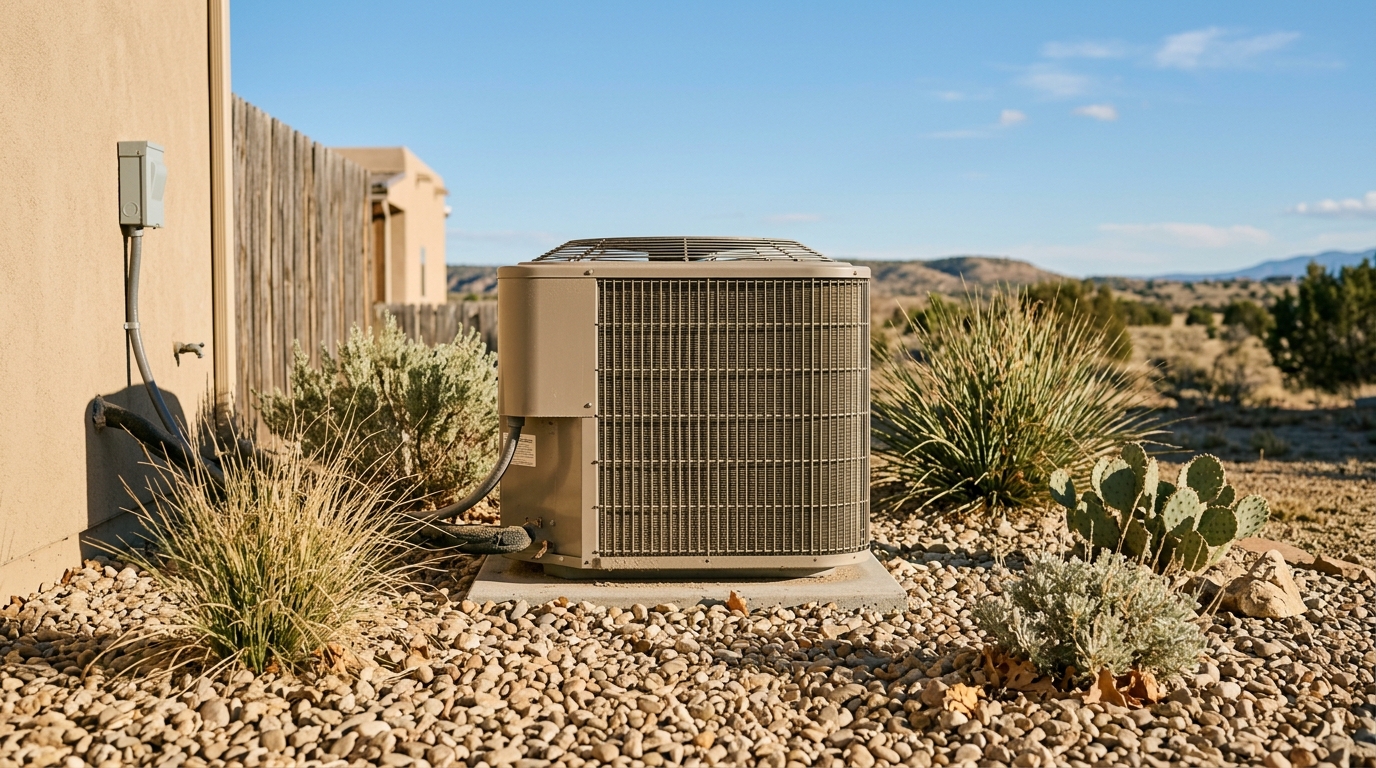
Outdoor components are exposed directly to the elements. A heat pump or air conditioner relies on its outdoor coil and surrounding area to exchange heat effectively. Dust and debris can settle on the cabinet, coil fins, and nearby ground, especially after sustained wind or dry conditions.
Dirty Filters Can Restrict Airflow
An HVAC filter has an important job, but it cannot work well indefinitely when it is overloaded. As dust accumulates, air may have a harder time passing through the filter. Reduced airflow can make rooms feel less evenly heated or cooled and may cause the system to run longer to reach the thermostat setting.
Filter replacement timing depends on the type of filter, household conditions, pets, occupancy, and system use. Rather than relying only on a fixed calendar schedule, homeowners should inspect filters regularly and replace them when they appear visibly loaded with dust or when the manufacturer’s guidance indicates replacement is due.
Outdoor Equipment Can Become Coated With Debris
The outdoor unit needs open space around it to move air across the coil. Wind can blow leaves, grass clippings, dirt, and other debris against the equipment. A layer of dust on exterior surfaces or a buildup around the base of the unit can interfere with normal airflow and make maintenance more difficult.
Keep plants, mulch, stored items, and yard debris away from the outdoor unit. Avoid covering the equipment while it is operating, and do not use high-pressure water or sharp tools on the coil fins. Those fins are delicate and can be bent or damaged easily. If the coil appears heavily soiled, Diversified HVAC can assess it and recommend the appropriate cleaning or service.
Watch for Changes in Airflow and Comfort
Homeowners are often the first to notice subtle changes in system performance. A room that no longer receives the same amount of conditioned air, weaker airflow from supply vents, longer operating cycles, or new dust buildup near vents may be signs that the system needs attention.
These symptoms can have several causes, including a clogged filter, blocked return or supply vents, duct issues, thermostat concerns, or outdoor-equipment buildup. Avoid assuming there is one simple cause, particularly if the issue continues after replacing the filter. A professional inspection can help identify what is affecting performance.
Practical Steps After Windy or Dusty Conditions
A quick routine can help you stay ahead of airborne debris and protect normal system airflow:
- Check the HVAC filter more often during periods of frequent wind, construction nearby, dry conditions, or visible dust outdoors.
- Replace the filter with the correct size and type for your system, following the equipment manufacturer’s recommendations.
- Walk around the outdoor unit and remove loose leaves, branches, grass clippings, and other debris from the surrounding area.
- Make sure shrubs, landscaping, and stored items are not crowding the unit or blocking airflow.
- Keep indoor supply and return vents open and clear of furniture, rugs, and other obstructions.
- Pay attention to noticeable changes in airflow, unusual cycling patterns, or uneven temperatures between rooms.
Indoor Air Quality Starts With System Maintenance
Dusty filters and dirty equipment can affect how air moves through your home. While no HVAC system can eliminate every particle from indoor air, a properly selected and regularly changed filter is an important part of maintaining cleaner system operation. Good housekeeping practices, including routine dusting and vacuuming, can also help reduce the amount of debris that circulates indoors.
For homeowners with specific indoor air quality concerns, Diversified HVAC can discuss equipment-compatible filtration and maintenance options. The right approach should be based on your home, existing system, and comfort priorities rather than a one-size-fits-all solution.
Why Professional Maintenance Matters
Professional maintenance gives technicians an opportunity to inspect components that are not easily evaluated during a routine homeowner check. During a maintenance visit, a technician can look for airflow restrictions, assess the condition of accessible components, examine the outdoor unit, and identify developing issues before they contribute to added system strain.
Routine service also provides a chance to ask questions about filter type, replacement frequency, outdoor-unit clearance, and changes you have noticed in your home. Diversified HVAC takes a practical approach to helping homeowners understand what their equipment needs and when service may be appropriate.
FAQ
How often should I check my HVAC filter during dusty weather?
Check it more frequently than your normal routine, especially after extended windy conditions or when you notice visible dust buildup. Replace it as needed according to its condition and the manufacturer’s recommendations.
Can I rinse my HVAC filter instead of replacing it?
Only washable filters are designed to be cleaned and reused. Most disposable filters should be replaced rather than rinsed. Check the filter label or your system documentation before cleaning any filter.
How much space should I keep around my outdoor unit?
Clearance needs can vary by equipment model and installation. Keep the immediate area free of debris and avoid crowding the unit with landscaping or stored items. A Diversified HVAC technician can advise you on appropriate clearance for your system.
What should I do if airflow feels weaker after a windy day?
First, check whether the filter is dirty and verify that vents and returns are unobstructed. If airflow remains weak, schedule a professional evaluation to determine whether another issue is affecting the system.
Should I schedule maintenance if my system still seems to be running?
Yes. Maintenance is intended to identify buildup, wear, and airflow concerns before they lead to more noticeable performance problems. Regular visits can help keep your equipment operating as intended.
Wind and dust are part of everyday outdoor conditions, but they do not have to take a toll on your comfort system. If you have noticed weaker airflow, excess dust around your equipment, or changes in heating and cooling performance, contact Diversified HVAC to schedule an inspection or maintenance visit.