



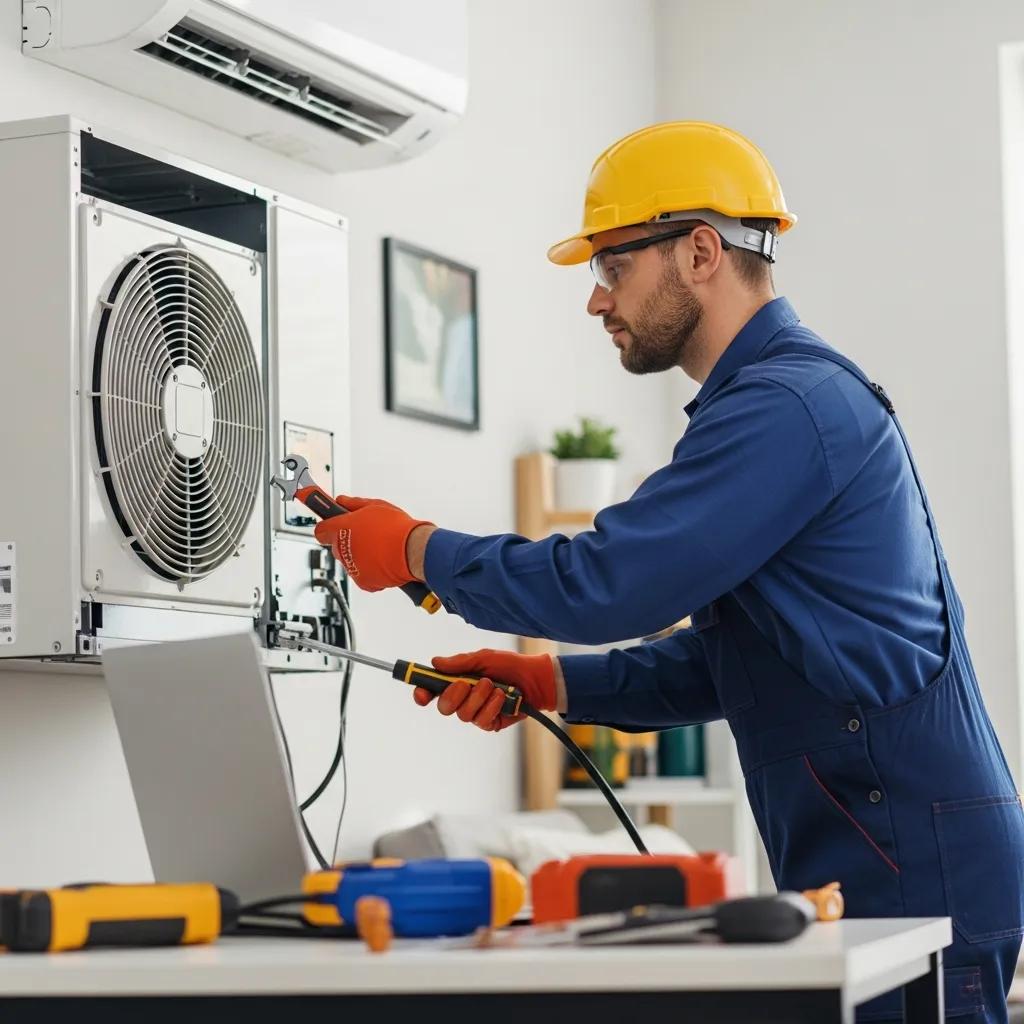
Benefits of Regular HVAC Maintenance Plans
At Diversified Heating and Cooling, we understand that regular HVAC maintenance is essential to preserve the efficiency and lifespan of heating, ventilation, and air conditioning systems. Our maintenance plans establish a structured schedule to keep your systems performing as intended, which can reduce operating costs and improve indoor air quality. Whether you are a homeowner or a business owner, you will benefit from our preventative services that enhance performance and support energy efficiency. In this article, we share the primary benefits of regular maintenance, how it lowers repair risk and expense, the tasks included in comprehensive seasonal tune‑ups, and practical guidance on choosing the right plan for your needs.
Beyond immediate repairs and filter changes, our well-designed maintenance plans create a documented history of service, which helps with warranty compliance, resale value, and planning for system replacement. For commercial properties, consistent maintenance also supports regulatory compliance and can be integrated into broader facilities management programs. The sections below unpack these advantages and provide actionable detail for homeowners and facility managers.
What Are the Key Advantages of Preventative HVAC Services?
Preventative HVAC services deliver measurable benefits for both residential and commercial properties.
- Cost Savings: Regular maintenance helps identify potential issues before they escalate into costly repairs, ultimately saving you money over time.
- Increased Efficiency: Well-maintained systems operate more efficiently, leading to lower energy bills and reduced environmental impact.
- Extended Lifespan: Routine check-ups and servicing can prolong the life of your HVAC systems, delaying the need for expensive replacements.
These benefits often work together: improving efficiency reduces load, which reduces wear and can delay component failure. When our technicians tune controls, clean components, and verify refrigerant and airflow, your system reaches closer to its original design performance and uses less energy to deliver the same comfort.
At Diversified Heating and Cooling, we specialize in comprehensive HVAC services, including tailored maintenance plans designed for both residential and commercial clients in Yucca Valley, CA. These plans typically include scheduled inspections, seasonal tune‑ups, priority service, and clear documentation of work performed.
How Does Preventative Care Reduce Repair Risks and Costs?
Our preventative care reduces repair risk and associated costs by detecting issues early through scheduled service. Timely interventions prevent minor faults from developing into major failures. This proactive approach extends equipment life, improves energy performance, and helps you avoid the financial impact of unexpected repairs.
During a preventative visit, our technicians look for early warning signs such as worn belts, minor refrigerant leaks, loose electrical connections, and dirty coils. Addressing these items during a scheduled service is almost always less expensive than emergency repairs and reduces the operational downtime that accompanies larger failures.
Preventative care also allows for planned upgrades and parts replacement at convenient times, which can be budgeted into annual operating costs rather than causing sudden capital expenditure. For businesses, this predictability supports cash flow management and reduces the risk of service interruptions that could affect customers or production.
In What Ways Does Regular Maintenance Extend HVAC System Lifespan?
Routine maintenance ensures components function correctly and reduces wear. Early detection and repair of faults prevent failures, which sustains efficiency and lowers operational costs over the system’s lifespan.
Specific maintenance steps that support longevity include lubrication of moving parts, tightening electrical connections, calibrating controls, replacing or cleaning filters, and keeping condensate drains clear. Each of these tasks reduces the strain on key components like compressors, fans, and motors.
Documented maintenance histories also help our technicians make informed decisions when parts begin to show age-related decline, allowing partial repairs or phased replacements rather than full-system emergency replacement. For property owners, this staged approach spreads costs and reduces disruption.
How Do Seasonal HVAC Tune Ups Improve System Performance?
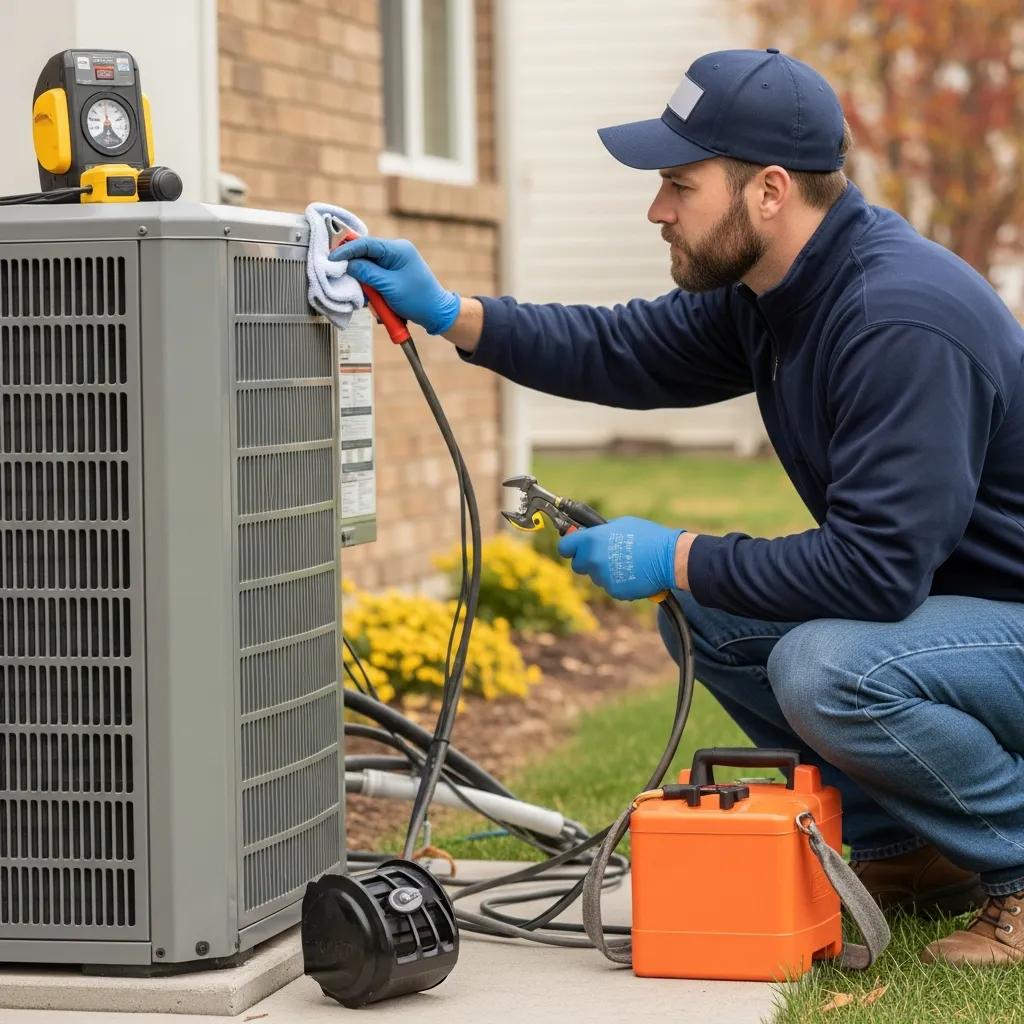
Seasonal HVAC tune‑ups preserve optimal system performance through thorough inspection and servicing. Typical outcomes include:
- Prolonged Lifespan: Regular tune-ups help to identify and rectify minor issues before they escalate.
- Improved Energy Efficiency: A well-tuned system operates more efficiently, reducing energy consumption.
- Enhanced Indoor Air Quality: Seasonal maintenance often includes cleaning and replacing filters, which improves air quality.
Seasonal tune‑ups are timed to prepare systems for the periods of highest use — typically spring for cooling and fall for heating — so the system can handle peak demand reliably. Our technicians focus on airflow, refrigerant charge, combustion safety for gas-fired equipment, thermostat calibration, and programmable control settings.
A thorough tune‑up also provides an opportunity to educate occupants about operating practices that support efficiency, such as thermostat setback schedules, simple filter maintenance that residents can perform between service visits, and steps to keep vents and returns unobstructed.
Consider available options for improving air quality to support a healthier living space, including upgraded filtration, humidity control, and regular duct cleaning when needed.
What Tasks Are Included in a Comprehensive Seasonal Tune Up?
A comprehensive seasonal tune‑up comprises several critical tasks designed to ensure the HVAC system operates efficiently. These tasks typically involve:
- Filter Replacement: Changing filters regularly helps maintain air quality and system efficiency.
- Coil Cleaning: Cleaning the evaporator and condenser coils improves heat exchange efficiency.
- Refrigerant Check: Ensuring the correct refrigerant levels is crucial for optimal cooling performance.
In addition to those items, a full tune‑up commonly includes checking electrical components and terminal connections, testing safety controls, verifying thermostat operation and schedule settings, inspecting ductwork for visible leaks or disconnections, and clearing condensate lines to prevent overflow and moisture issues.
Our technicians will often record baseline performance metrics — such as temperature differentials, operating pressures, and amp draw — so future visits can quickly determine trends and spot deteriorating performance before it leads to failure.
How Do Tune Ups Enhance Energy Efficiency and Indoor Comfort?
Tune‑ups restore systems to peak performance, which enhances energy efficiency and indoor comfort. Improved efficiency lowers utility bills, while stable operation maintains consistent comfort throughout the year. Regular maintenance also reduces the likelihood of sudden breakdowns, preserving occupant comfort regardless of external conditions.
Comfort gains are not solely about temperature; proper maintenance helps control humidity, reduces drafts from imbalanced airflow, and maintains quieter operation. For people with respiratory sensitivities, cleaner filters and properly maintained coils and drains reduce allergens and microbial growth potential, improving perceived comfort and health.
For businesses and multi-unit properties, consistent comfort across zones reduces tenant complaints and can support higher occupancy satisfaction. Maintenance that keeps systems balanced and controls calibrated helps avoid hot or cold pockets that arise from uncontrolled dampers or failing components.
Why Is Regular HVAC System Inspection Essential for Homeowners and Businesses?
Regular inspections identify potential issues before they become serious, ensuring systems operate safely and efficiently. Inspections also support energy performance improvements, which benefit both the environment and operational costs.
Inspections provide a formal opportunity to confirm that the system meets manufacturer recommendations and local safety codes. For example, inspections of gas-fired equipment check combustion characteristics and venting; electrical inspections verify safe wiring and connections. These checks reduce risk and liability for property owners.
For commercial operations, inspection reports can be integrated into preventative maintenance records used for compliance, insurance, and asset management. Well-documented inspections also increase transparency when multiple technicians service a facility over time.
What Are the Critical Components Checked During Inspections?
Inspections verify critical components to confirm optimal performance. These checks typically include:
- Visual Inspection: A thorough visual check of the system for any signs of wear or damage.
- Operational Checks: Testing the system’s operation to ensure it is functioning correctly.
- Safety Checks: Ensuring that all safety mechanisms are in place and functioning properly.
Beyond those core items, inspections often include measuring electrical currents and voltages, checking belt tension and pulley alignment, confirming proper airflow at returns and registers, and verifying control interlocks and schedule programming. For systems with variable-speed drives or modern controls, inspections also validate software settings and communication between components.
How Do Inspections Prevent Unexpected Breakdowns?
Inspections prevent unexpected breakdowns by identifying faults at an early stage. By maintaining efficiency and addressing minor problems promptly, inspections extend equipment life and keep systems reliable, which reduces long‑term costs.
Early identification of issues such as corroded connections, refrigerant loss, or failing capacitors allows our technicians to plan repairs at convenient times and to source parts in advance. This proactive approach reduces emergency service calls and the higher costs often associated with after-hours repairs.
Inspections combined with condition-based monitoring (where available) let owners move from reactive to predictive maintenance. Tracking trends in measured values over multiple inspections highlights gradual declines in performance, enabling targeted intervention before failure.
What Are the Specific Benefits of Commercial HVAC Maintenance Plans?
Our commercial HVAC maintenance plans provide benefits tailored to business requirements. These benefits include:
- Early Problem Detection: Regular maintenance helps identify issues before they disrupt operations.
- Improved Energy Efficiency: Efficient systems reduce energy costs, which is critical for businesses.
- Reduced Repair Costs: Preventative maintenance minimizes the likelihood of costly repairs.
Commercial plans frequently include additional services such as seasonal optimization for large rooftop units, scheduled filter replacement programs, and service-level agreements that specify response times for critical failures. These features are designed to keep your business operational and to protect revenue by minimizing HVAC-related downtime.
How Does Maintenance Support Business Continuity and Safety?
Regular maintenance supports business continuity and safety by ensuring HVAC systems operate reliably. Preventing major breakdowns maintains a comfortable and safe environment for employees and customers, and the resulting cost savings allow businesses to allocate resources more effectively.
HVAC failures in commercial settings can interrupt operations, degrade product storage conditions, or create unsafe indoor air conditions. Well-executed maintenance reduces these risks, helps meet occupational health standards, and provides confidence that your facility can operate through peak demand periods.
What Customized Services Are Offered for Commercial Systems?
Customized services for commercial HVAC systems may include:
- Commercial HVAC Installation: Tailored installation services to meet specific business needs.
- Commercial HVAC Repair: Prompt repair services to minimize downtime.
- Tailored Maintenance Plans: Customized maintenance plans designed to fit the unique requirements of each business.
Customization can also extend to energy management integration, where HVAC controls are linked to building automation systems for centralized monitoring and scheduling. For businesses with critical temperature or humidity requirements, customized service agreements can include more frequent visits, remote monitoring, and priority parts provisioning.
How Does Regular HVAC Maintenance Lead to Cost Savings?
Regular HVAC maintenance yields cost savings by maintaining efficient operation, which reduces energy consumption and utility expenses. Well‑maintained systems also have longer service lives, lowering replacement costs, and preventative work reduces repair expenses by addressing issues early.
Cost savings can be realized in multiple ways: direct reductions in monthly energy bills, fewer emergency service calls, lower frequency of component replacement, and reduced risk of collateral damage such as water leaks that can lead to property repairs. For businesses, those savings translate into improved operating margins and reduced disruption to service delivery.
What Are the Typical Savings on Energy Bills and Repairs?
Businesses can expect lower energy use and fewer major repairs with regular maintenance, which translates into predictable savings and improved financial planning.
While exact savings depend on system type, age, and usage patterns, owners commonly notice better temperature control and steadier energy consumption after a comprehensive tune‑up. Over time, the cumulative savings and avoided repair costs contribute significantly to the total cost of ownership for an HVAC system.
How Do Maintenance Plans Offer Priority Service and Reduced Repair Costs?
Our maintenance plans commonly include priority service and reduced repair costs. Enrolled customers typically receive expedited response during peak periods and discounts on repairs, making ongoing maintenance more cost‑effective.
Priority service reduces downtime and ensures that problems are addressed quickly, which is especially valuable during extreme weather or seasonal spikes in demand. Discounts on parts and labor further improve the economic case for a plan, because bundled services lower per-visit costs and simplify budgeting.
How Can You Choose the Right HVAC Maintenance Plan for Your Needs?
Choosing the right HVAC maintenance plan requires evaluating several factors, including:
- Property Type: Different properties may require different maintenance approaches.
- System Age and Condition: Older systems may need more frequent maintenance.
- Local Climatic Conditions: Understanding local weather patterns can help tailor maintenance needs.
Start by reviewing the manufacturer’s recommended service intervals and any warranty requirements. Compare plan features such as the number of annual visits, included tasks, emergency response times, and any discounts on repairs. For properties with multiple units or complex systems, request a site survey to ensure the plan matches equipment and occupancy patterns.
What Factors Should Be Considered When Selecting a Plan?
When selecting an HVAC maintenance plan, consider the plan’s emphasis on efficiency, the overall cost versus anticipated savings, and whether it covers the necessary maintenance tasks for your system.
Additional practical considerations include our reputation, technician qualifications, response times, and the clarity of contract terms. Confirm whether service records are provided after each visit, as these records support long-term asset management and warranty claims.
How Does Local Expertise Enhance Maintenance Effectiveness?
Local expertise enhances maintenance effectiveness by providing advice tailored to regional climate conditions. Our technicians familiar with local weather can recommend appropriate service schedules and adjustments, improving the plan’s relevance and performance.
For example, areas with high dust or pollen loads may require more frequent filter changes, while humid climates need focused attention on condensate management and corrosion prevention. Our local technicians also understand available parts and supply chains, which shortens repair lead times and improves planning for seasonal work.
The following comparison highlights key maintenance benefits and their relative impact.
| Benefit | Description | Impact Level |
|---|---|---|
| Cost Savings | Regular maintenance prevents costly repairs | High |
| Energy Efficiency | Well-maintained systems consume less energy | High |
| System Longevity | Routine care extends the lifespan of HVAC systems | Medium |
For those interested in heating services, ensure your system is prepared for the colder months. Consider scheduling a fall inspection to confirm safe operation before high-demand use.
Get Started with Diversified Heating and Cooling Today
Investing in a regular HVAC maintenance plan with Diversified Heating and Cooling is a smart choice to protect your comfort, reduce costs, and extend the life of your system. Whether you are in Yucca Valley, CA, or the surrounding areas, our expert team is ready to tailor a plan that fits your unique needs.
Contact us now to schedule your first inspection or tune-up and experience the benefits of professional, reliable HVAC care. Schedule Your Service.